Private shoulder replacement in London
Restore your movement and eliminate arthritic pain. Specialist anatomic and reverse shoulder replacement with Mr Toby Baring. Seeing patients at King Edward VII and OneWelbeck.

Is this treatment right for you?
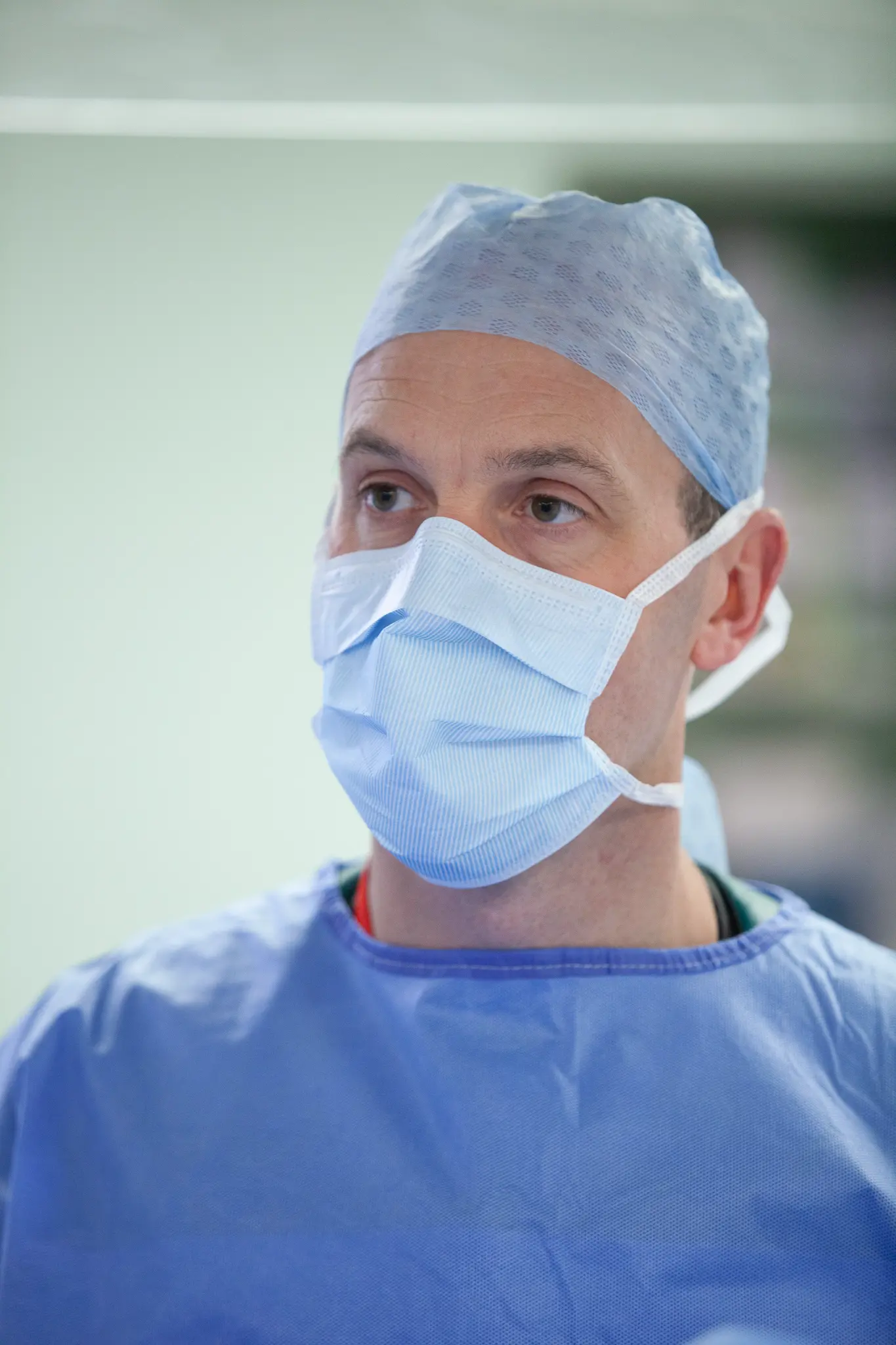
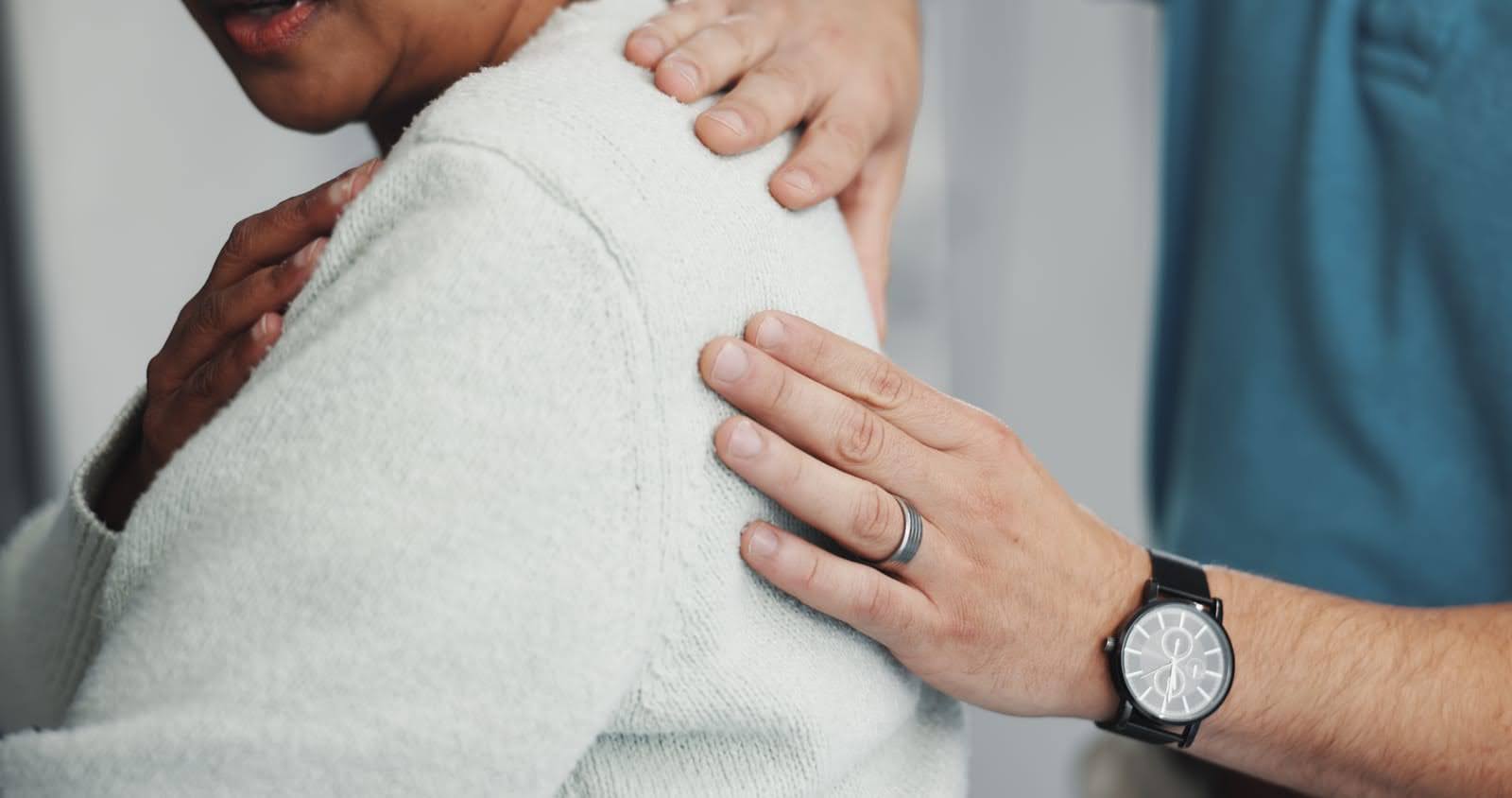
Osteoarthritis is a progressive condition. If you recognise these symptoms, your joint surfaces may be worn beyond the point of non-surgical repair.
Grinding sensation: You feel or hear a crunching sound (crepitus) when you move your arm.
Constant deep ache: A toothache-like pain deep inside the joint that is often worse at night.
Stiffness: You have lost significant range of motion, making it hard to dress or wash your hair.
Failed injections: Steroid injections or physiotherapy no longer provide relief.
- Read more about life after Shoulder replacement here
Modern anatomic & reverse replacement
You do not have to live with arthritis. Mr Baring specializes in high-performance anatomic and reverse total shoulder replacements. We replace the damaged bone-on-bone surfaces with smooth, durable implants to restore pain-free movement.
Why choose this approach?
Pain elimination: The primary goal is to remove the arthritic surfaces, providing immediate relief from the grinding bone pain.
Custom implant selection: We choose between Anatomic (standard) or Reverse implants based on the health of your rotator cuff and damage to the shoulder.
Rapid recovery: Modern surgical techniques and anaesthesia allow many patients to return home within 24–48 hours.
Understanding Shoulder replacement.
Living with advanced osteoarthritis does not mean accepting a life of pain. When the smooth cartilage surfaces of the shoulder have worn away, leaving bone-on-bone friction, no amount of physiotherapy or injection can restore the joint.
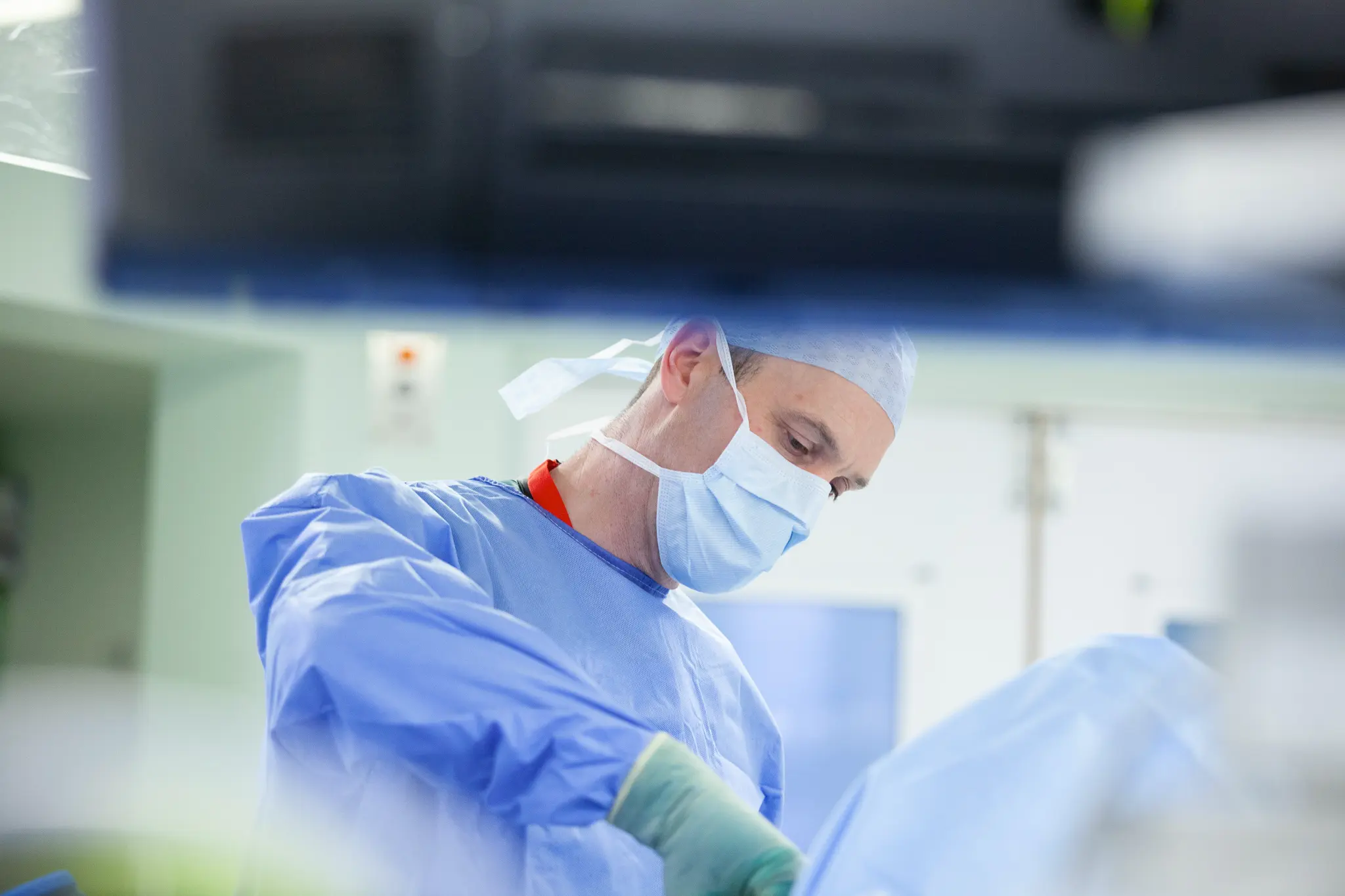
Mr Baring specializes in muscle-sparing shoulder replacement surgery, a procedure that removes the damaged surfaces and replaces them with high-performance implants. The goal is simple: to eliminate the deep, grinding arthritis pain and restore your range of motion.
Which implant is right for you? Your surgical plan depends entirely on the condition of your rotator cuff tendons. We use two distinct types of advanced implants:
1. Anatomic total shoulder replacement This is the traditional replacement that mimics your natural anatomy.
- The procedure: We replace the damaged ball with a highly polished metal sphere and the socket with a durable plastic liner.
- Best for: Patients with an intact rotator cuff. Because your natural tendons are healthy, they power the new joint, offering excellent range of motion and a very natural feel.
2. Reverse total shoulder replacement This is a revolutionary implant design for patients who have both arthritis with eroded boney anatomy and/or a damaged rotator cuff.
- The procedure: We reverse the anatomy—placing the metal ball on the shoulder blade and the plastic socket on the arm bone.
- The benefit: This mechanical shift allows the large deltoid muscle to lift the arm, bypassing the torn rotator cuff entirely. It restores overhead function to patients who previously could not lift their arm at all.
View all conditions we treat
Recovery Timeline
This isn't the same for everyone but this gives you a rough idea of the recovery time we expect from a normal Shoulder Replacement Surgery.
We work with the following insurers
If you don't see your insurer listed please reach out and we will chat through the options with you.









Customer testimonials
Some of the nice things people have said about us.

My recovery was fast, which attests to Dr Baring's expertise in shoulder surgery.
Highly recommendable specialist with a great support team.
He has also taken an interest in my health generally; he has gone to the trouble of finding for me a specialist for another problem. I cannot speak more highly of his care.
Pricing and Insurance
How much does Shoulder replacement cost?
pre-authorisation data for you.
For patients without insurance, we offer fixed-price packages at our partner hospitals. The price here is dependent on the type of replacement we do.
We work with the following insurers
If you don't see your insurer listed please reach out and we will chat through the options with you.
Locations
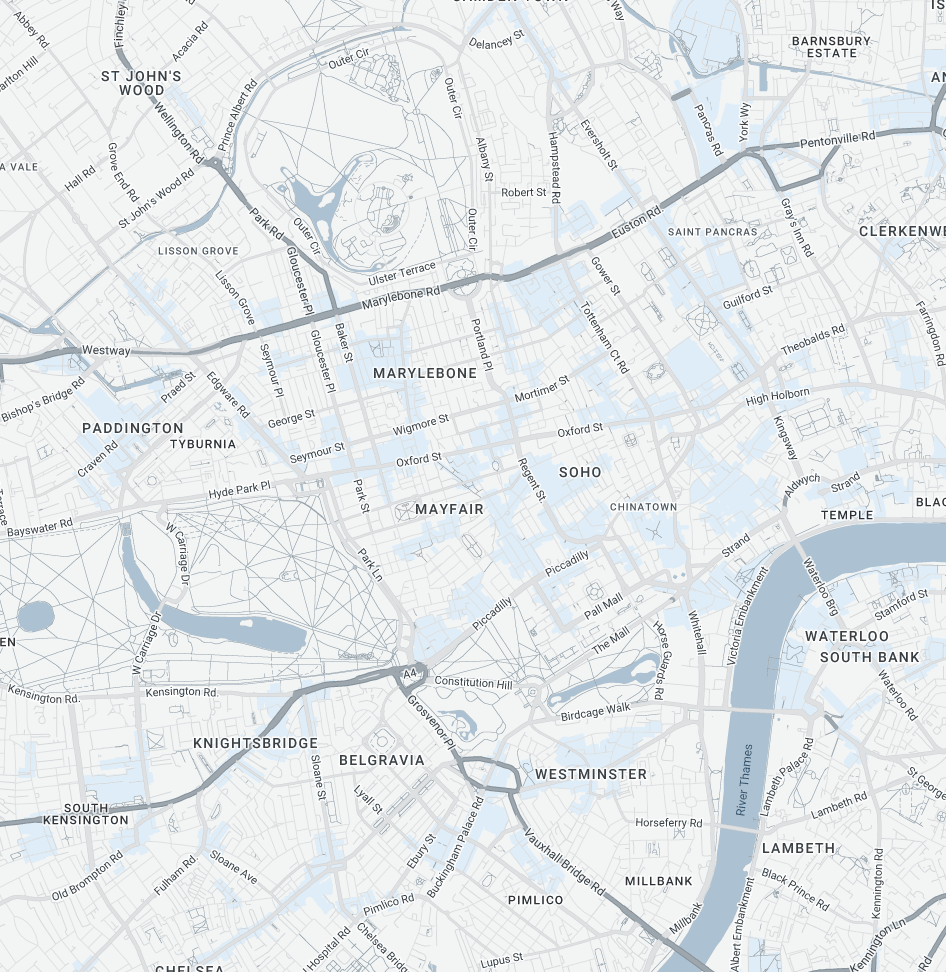
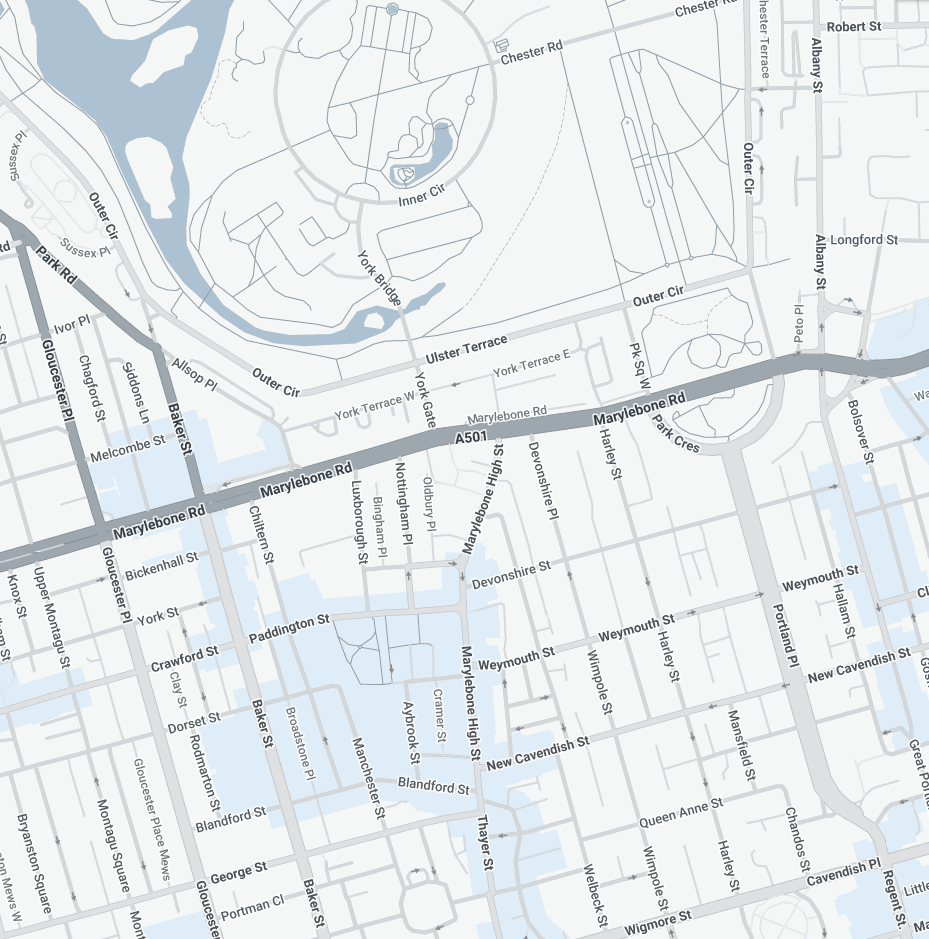
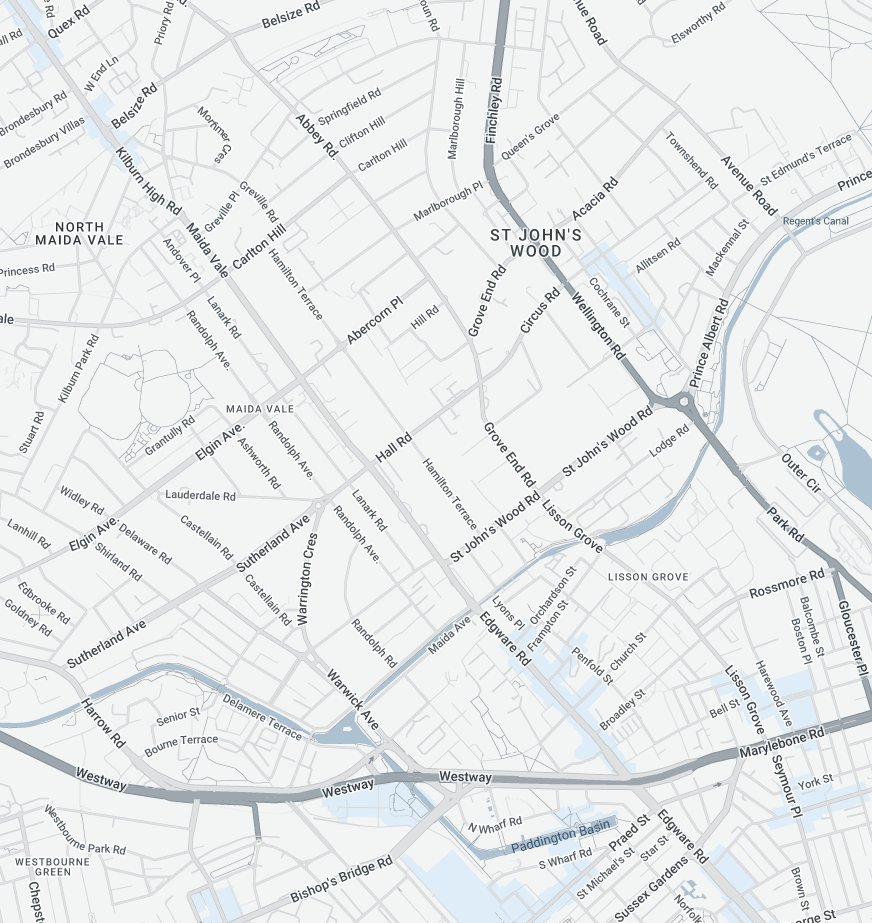
The locations you can meet Mr Toby Baring for Consultation or Surgery.
FAQs
Commonly asked questions about Rotator Cuff Repair in London
No - you can book yourself directly into clinic here
Modern implants are extremely durable. Data from the National Joint Registry suggests that over 85–90% of shoulder replacements are still functioning well after 15 years.
Yes. We actively encourage low-impact sports like golf, swimming, tennis (doubles), and cycling. We generally advise against heavy contact sports (like rugby) or heavy bench pressing.
It is unlikely that it will trigger the scanners. On the off-chance it does you simply need to inform the security staff that you have a joint replacement; you do not usually need a specific medical card.
An anatomic replacement mimics your natural anatomy (ball on arm, socket on shoulder blade). A reverse replacement switches them (ball on shoulder blade). We use 'reverse' if you also have a significant damage to the rotator cuff tendons or bone erosion, this design allows other muscles to power the arm.
Still have questions?
Get in touch below and we'll be able to help you.
Start your recovery today.
Book a consultation today. Appointments available this week.
