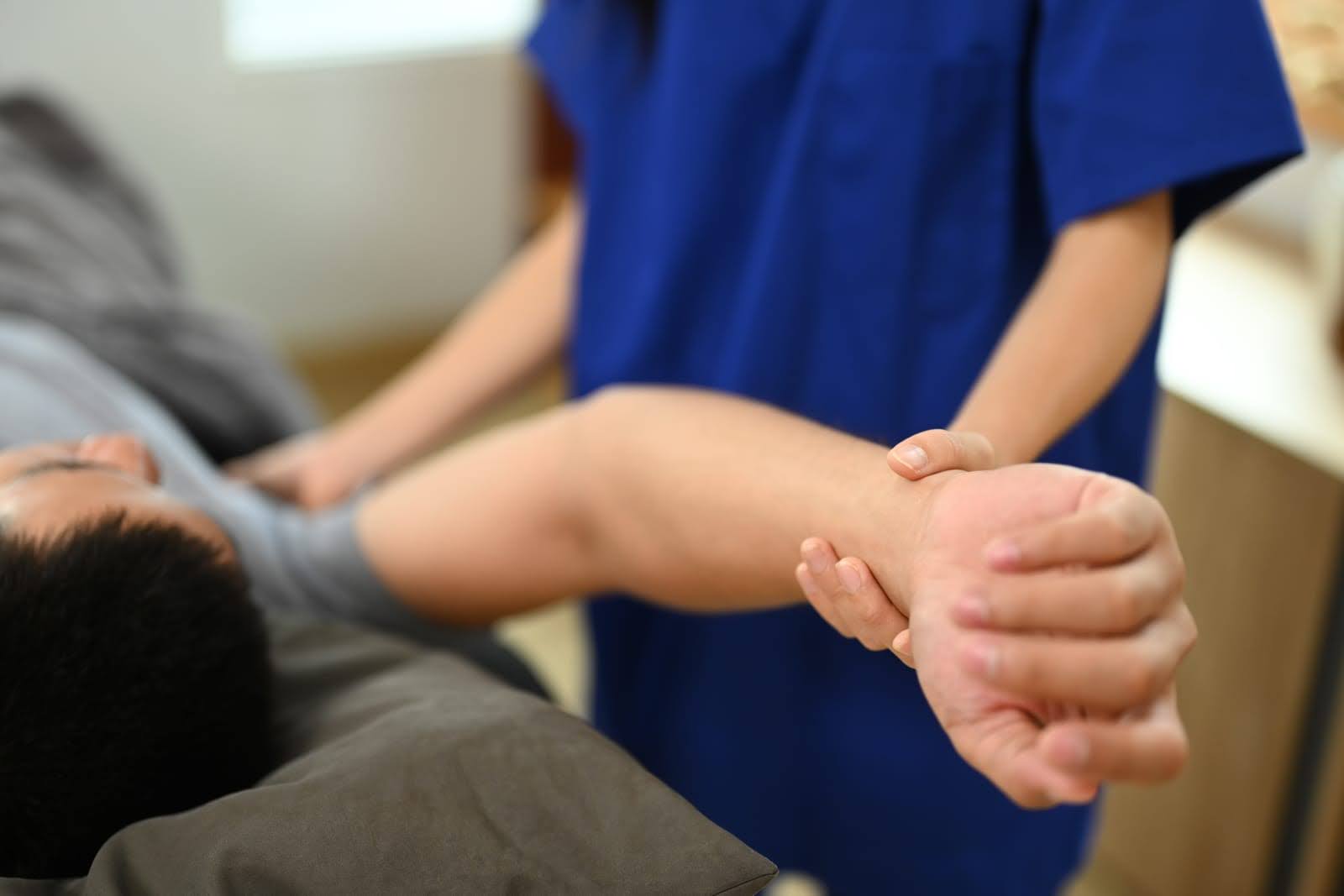
Everything you need to know about dislocated shoulder treatment and recovery — from immediate first steps and medical reduction through to rehabilitation exercises, surgical options, and preventing future dislocations.


A dislocated shoulder occurs when the humerus, or upper arm bone, is dislodged from the shoulder joint. As a ball-and-socket joint that permits an extensive range of movement, the shoulder is naturally less stable than other joints in the body, making it more prone to dislocation. When dislocated, the shoulder may appear misshapen and the arm can look visibly out of position. This is often alarming, since the shoulder joint is integral to most arm movements and even a temporary dislocation affects daily tasks significantly.
Anatomically, this type of joint is more mobile but less inherently stable, which explains why it accounts for the majority of joint dislocations seen in emergency departments.
Shoulder dislocations frequently result from traumatic incidents such as falls or direct impacts during contact sports like football or rugby. A tackle can exert significant force on the shoulder, leading to dislocation in an instant. Anatomical factors, such as loose ligaments, predispose certain individuals to joint instability, increasing the risk of dislocation even with relatively minor trauma. Understanding what type of joint the shoulder is helps explain why it is vulnerable in ways that, say, the hip joint is not.
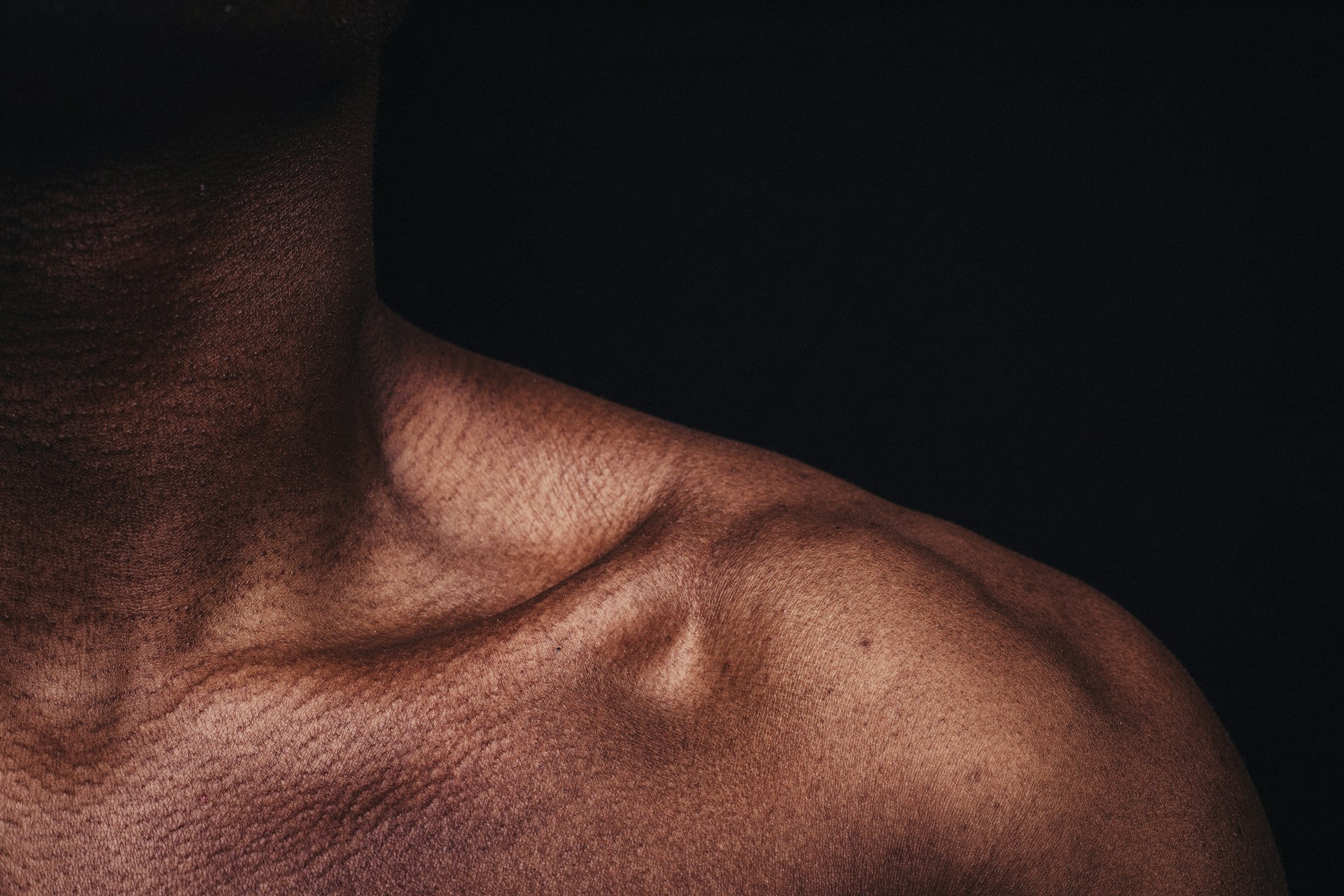
Recognising the symptoms of a dislocated shoulder is vital for timely intervention. Common indicators include intense pain, visible swelling, and a complete inability to move the shoulder. What does a dislocated shoulder look like? Typically the shoulder appears deformed or squared off, with a visible step or hollow where the joint normally sits. What does a dislocated shoulder feel like? Most patients describe a sudden, severe pain at the moment of injury, followed by persistent aching and a sensation that the arm is hanging awkwardly.
Numbness or tingling in the arm or hand can occur due to nerve compression, which may indicate a brachial plexus injury as a secondary complication. Prompt recognition of these signs helps prevent further damage.
Upon suspecting a dislocated shoulder, seek medical attention without delay. While waiting for assistance, immobilise the shoulder by keeping it as stationary as possible, using a sling or by gently supporting the arm against the body. Do not attempt to move or forcefully reposition the shoulder, as this can worsen the injury and complicate subsequent medical treatment. How painful is a dislocated shoulder in these early moments? Extremely so — most patients rate it among the most severe pain they have experienced, which underscores why professional management is necessary rather than any form of self-reduction.
In a clinical setting, the initial treatment involves a reduction procedure, where a healthcare provider carefully manoeuvres the shoulder back into its socket. Pain relief medication is provided before and during this process to manage discomfort. After successful reduction, an X-ray is conducted to confirm proper alignment and to identify associated injuries such as a clavicle dislocation or fractures. In some cases, advanced imaging such as an MRI may be needed to assess soft tissue damage, particularly to the labrum or rotator cuff. Learning how to fix a dislocated shoulder safely means understanding that reduction should always be performed by a trained clinician, never attempted at home.
Surgery may be required when dislocations become recurrent or in a young person (under 20) who plays contact sports. Surgical procedures can include repairing torn ligaments or reconstructing the shoulder joint to restore stability. A Bankart repair, for instance, is commonly performed to address tears in the shoulder's labrum following anterior dislocations. A posterior dislocated shoulder, which is far less common, may require different surgical considerations depending on the underlying damage. The decision to operate should follow a thorough evaluation by an orthopaedic specialist, taking into account the patient's age, activity level, and history of previous dislocations.
Dislocated shoulder time to heal typically ranges from 6 to 8 weeks, depending on the severity of the injury and any associated damage. Younger individuals and athletes may recover more quickly due to better tissue healing and baseline muscle strength, whereas older adults may develop scarring and stiffness of their soft tissues. A straightforward first-time dislocation in a fit adult will have a very different trajectory from a recurrent dislocation in someone with underlying joint laxity. The primary goal throughout recovery is to restore full range of motion while reducing the risk of future dislocations.
Rehabilitation exercises are central to recovery, with the focus shifting across phases as healing progresses. Early exercises are gentle and aimed at regaining range of motion — pendulum swings and assisted shoulder flexion are typically introduced first. As the tissue heals, strength-building work begins: resistance band exercises, rotator cuff activation drills, and progressive loading of the shoulder girdle. A physiotherapist can design a programme tailored to individual needs, ensuring exercises are both safe and appropriately challenging at each stage. What is the fastest way to heal a dislocated shoulder? Consistent, guided rehabilitation is the evidence-based answer.
Several variables influence how long recovery takes, including the patient's age, overall health, the presence of concurrent injuries, and adherence to the rehabilitation programme. Patients who attend therapy sessions regularly and follow their prescribed home exercise routine consistently tend to recover faster than those who are intermittent in their approach. A subluxation — where the shoulder partially slips out rather than fully dislocating — may resolve more quickly, though it still warrants proper assessment and structured rehab. Attending all scheduled follow-ups and flagging any setbacks early are both important for keeping recovery on track.
Pain management is a central part of early recovery. Over-the-counter analgesics such as ibuprofen or paracetamol can help manage pain and reduce inflammation in the days following reduction. For more severe discomfort, a physician may prescribe short-term stronger medication. Non-pharmacological methods, including applying ice packs to the affected area for 15 to 20 minutes at a time, can meaningfully reduce swelling and provide localised pain relief. These approaches work best when used together as part of a structured plan rather than in isolation.
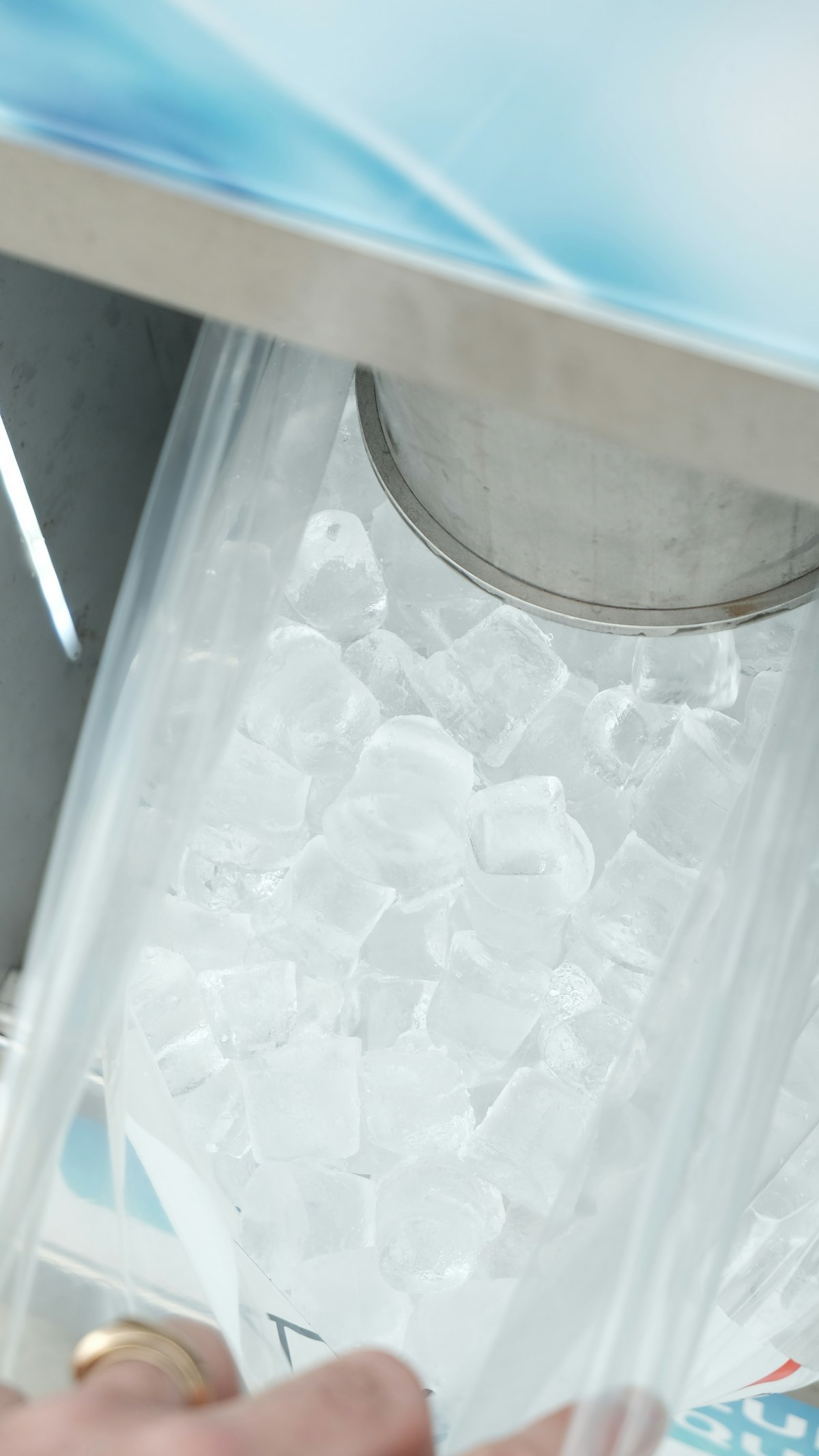
Managing pain during recovery involves balancing rest with gradually increasing movement. Ice packs remain useful in the early weeks, particularly after exercise sessions. A structured rest and activity plan prevents the common pitfall of either doing too much too soon or remaining too sedentary, both of which can prolong recovery. Mindfulness techniques and controlled breathing exercises may help some patients manage pain perception during rehabilitation, offering a non-pharmacological complement to physical treatment.
If pain persists or intensifies despite following the treatment plan, a follow-up with a healthcare professional is warranted. Persistent discomfort can sometimes indicate a slightly dislocated shoulder (a subluxation) or insufficient soft tissue healing that requires further intervention. If the shoulder feels out of place but not fully dislocated, this too deserves clinical assessment rather than a wait-and-see approach. Regular reviews with an orthopaedic specialist allow any emerging complications to be caught and addressed early.
Preventing future dislocations centres on building strength around the shoulder to support joint stability. Rotator cuff exercises and scapular stabilisation drills are particularly effective — external rotation work and serratus anterior activation have good evidence behind them for reducing re-dislocation risk. Performing these consistently, ideally under the guidance of a physiotherapist, leads to measurable long-term improvements in shoulder resilience. This is especially relevant for athletes returning to contact sports, where the forces placed on the shoulder are high.
Practical lifestyle changes can reduce the likelihood of another dislocation. Being mindful of shoulder load during daily activities and sport, incorporating proper warm-ups before exercise, and gradually increasing training intensity all help protect the joint. Ergonomic adjustments at work can limit repetitive strain, particularly for those in desk-based roles where posture tends to suffer over the course of the day. Avoiding positions that place the arm in vulnerable extremes of range — especially in the early months post-injury — is also sensible.
Repeated shoulder dislocations, or a persistent sense that the shoulder feels out of place without a full dislocation, warrant professional evaluation. An orthopaedic specialist can assess whether there are structural issues contributing to instability and recommend appropriate options, which may include surgical stabilisation. Early intervention in recurrent cases tends to produce better long-term outcomes than waiting until the joint has sustained cumulative damage.
Recovery involves rest, rehabilitation exercises, and sometimes surgery, guided by a medical professional.
Long-term effects can include chronic instability, arthritis, and recurrent dislocations if not properly treated.
A shoulder can dislocate due to trauma, overuse, or anatomical predispositions affecting joint stability. The more dislocations a shoulder joint has sustained, the more likely it is to have further dislocations — it can get to a point where the shoulder will dislocate if the arm is elevated above the head.
Seeking professional medical help is strongly advised rather than attempting to relocate a dislocated shoulder yourself.
A dislocated shoulder is typically very painful, often requiring immediate medical attention for pain management.
If you're experiencing shoulder pain or suspect a dislocation, contact Mr. Toby Baring for a consultation today.