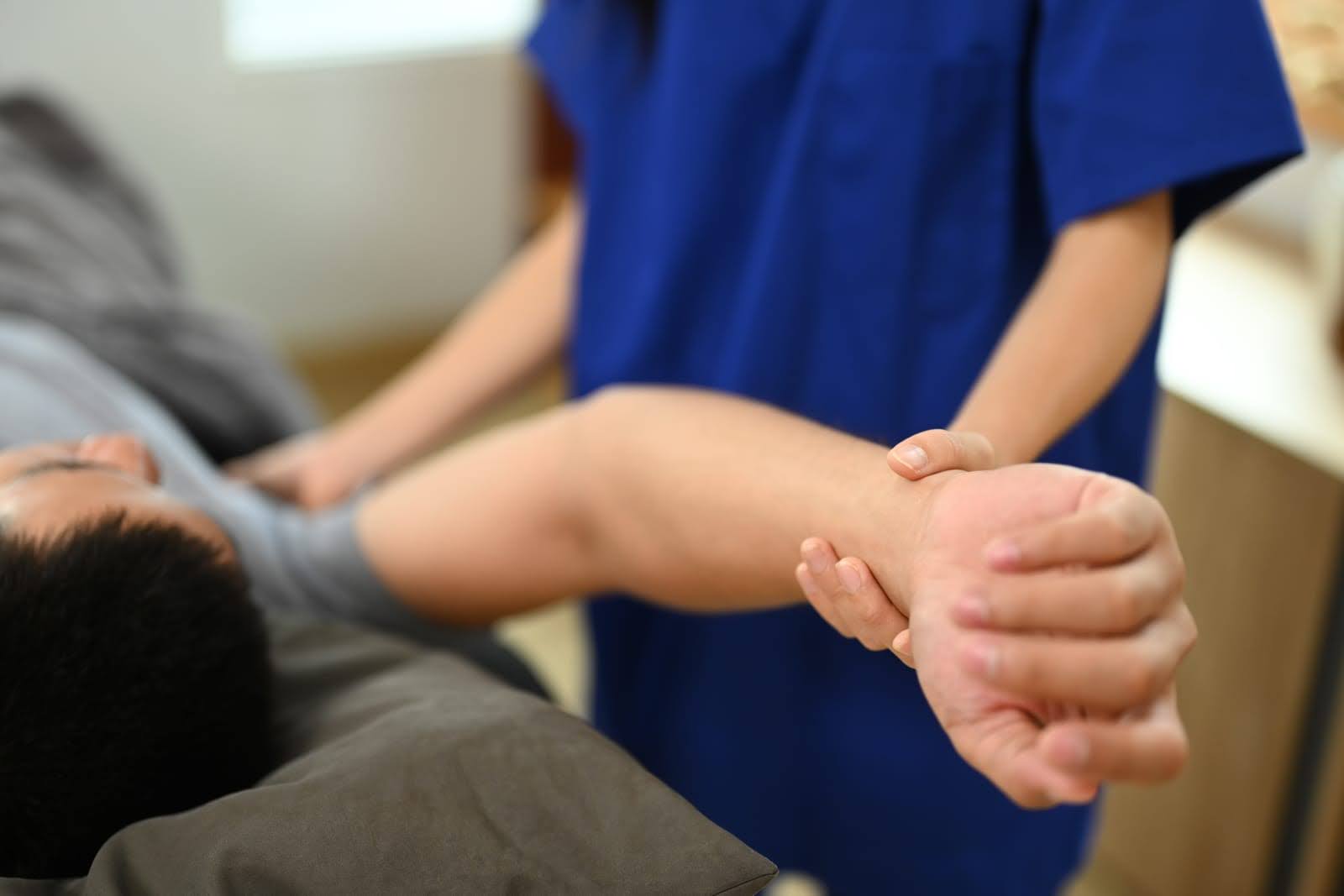
Learn about recovery from rotator cuff surgery, including timelines, exercises, and tips for a successful rehabilitation.


Recovery from rotator cuff surgery is one of the more demanding rehabilitation journeys in orthopaedics, and understanding what lies ahead makes a significant difference to your outcome. This guide provides a detailed roadmap through each phase of rehabilitation, covering essential care protocols and practical advice to help you regain full shoulder function. A structured approach to post-operative care directly influences long-term results and reduces the risk of complications.
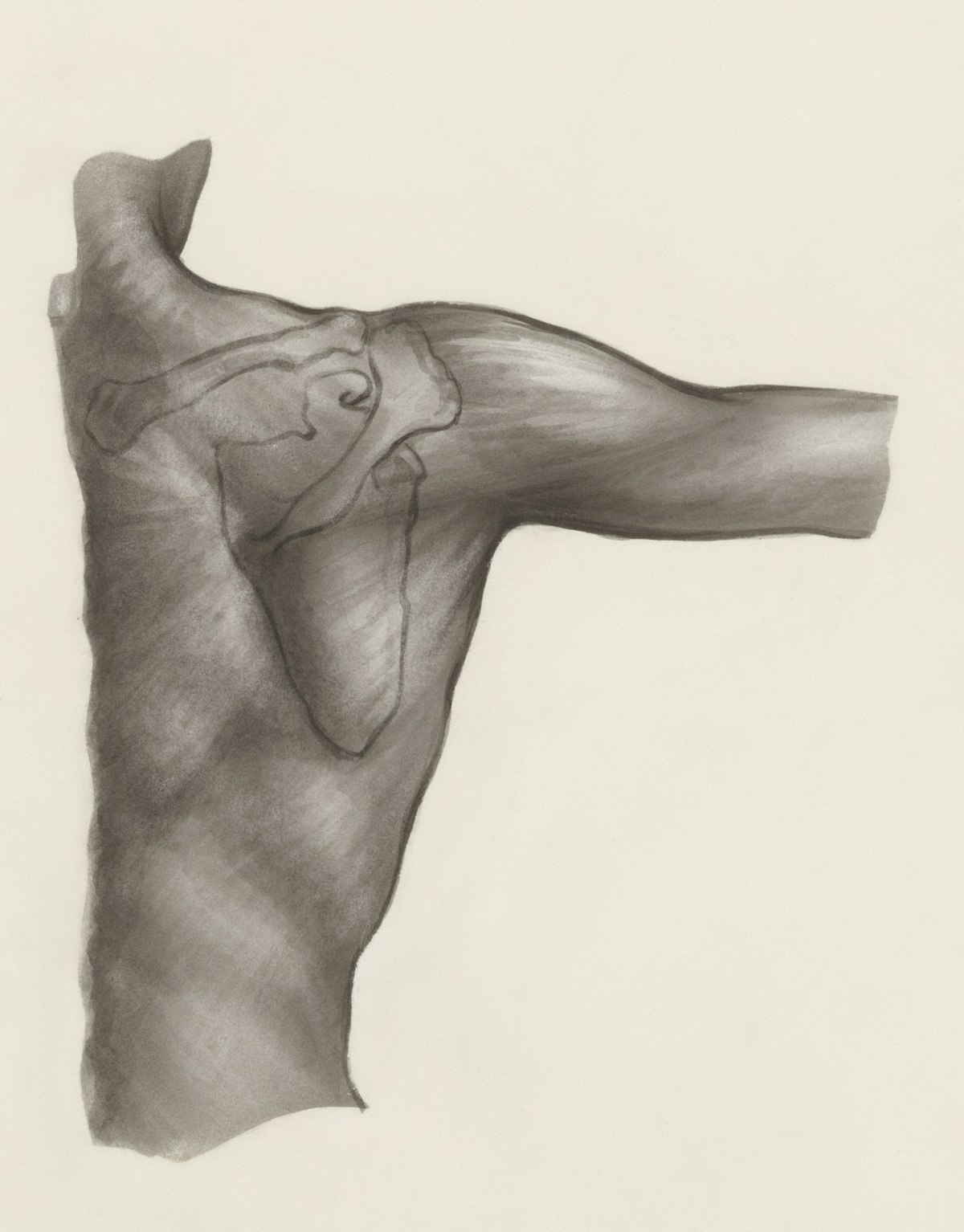
Rotator cuff surgery addresses tears or significant damage to the group of muscles and tendons surrounding the shoulder joint. These structures, including the supraspinatus muscle, infraspinatus, teres minor, and subscapularis, play vital roles in shoulder stability and movement. Understanding the procedure lays the foundation for a successful recovery from rotator cuff surgery.
Rotator cuff surgery is a procedure designed to repair torn tendons in the shoulder. The rotator cuff facilitates arm lifting and rotation, making it central to almost every upper-limb activity. Injuries often result from acute trauma, such as a fall, or chronic degeneration due to repetitive overhead activities, which can lead to a tendon strain in the shoulder. The primary goal of surgery is to reattach the torn tendon to the head of the humerus, restoring the shoulder's structural integrity. An athlete who frequently engages in overhead sports, for example, may suffer from such tears, requiring surgical intervention to prevent further degeneration and restore function.
Surgery becomes necessary when non-surgical treatments, such as rest, medication, and physiotherapy, fail to alleviate pain or improve shoulder function. Large, acute tears or those significantly impairing daily activities often warrant surgical intervention. Without repair, a torn rotator cuff will not heal spontaneously and can lead to chronic pain, weakness, and progressive loss of motion, severely impacting quality of life and potentially worsening the tear over time. A manual laborer unable to lift even light objects, for instance, may find surgery the only viable route to returning to work and daily life. An orthopaedic consultation is necessary to determine the most appropriate course of action based on the tear's severity and the patient's overall health.
The most common surgical technique for rotator cuff repair is arthroscopy, a minimally invasive procedure. Small incisions are made and a camera (arthroscope) is inserted to guide the surgeon, who then reattaches the torn tendon to the bone using small anchors. In some cases, a mini-open repair or traditional open repair may be required for larger or more complex tears, involving a slightly larger incision to access the joint directly. The choice of procedure depends on the tear's size, location, and the surgeon's clinical judgement.
The initial recovery phase immediately follows surgery and typically lasts for the first six weeks. This period focuses on protecting the repaired tendon, managing discomfort, and initiating gentle, passive movements. Adherence to post-surgery care instructions is non-negotiable during this critical healing stage.
Depending on the size of the tear you will either be given a sling to wear and allowed to gently mobilise as you feel able or it the tear was large your shoulder may be immobilised in brace for a few weeks. You will receive specific instructions regarding sling removal for hygiene or gentle exercises. Keeping the incision site clean and dry helps prevent infection; follow your surgeon's advice on wound care and dressing changes precisely. Avoid lying on the operated side for at least six weeks, or longer if your medical team advises otherwise.
Pain management is a primary concern during the initial recovery from rotator cuff surgery. Take prescribed pain medication as directed to control discomfort, particularly in the first few days post-operation. Applying ice packs to the shoulder for 15 to 20 minutes several times a day can reduce swelling and ease pain noticeably. Always wrap the ice in a cloth to protect the skin. Elevating the arm slightly while resting also helps minimise swelling. Some pain and discomfort over several weeks is expected, but persistent, severe pain warrants a call to your doctor rather than simply increasing medication.
Rest is not merely passive; it is an active component of healing. During the first few weeks, the repaired tendon is extremely vulnerable to re-injury. No lifting, pushing, or pulling with the affected arm is permitted during this stage, even with light objects such as a kettle. Reaching behind your back or lifting the arm overhead are equally off-limits. These restrictions exist to prevent a re-tear and give the tendon the best possible chance to integrate with the bone. Prioritising adequate sleep is worthwhile, as the body carries out the majority of its tissue repair during rest.
Physiotherapy is the cornerstone of recovery from rotator cuff surgery, guiding the shoulder through progressive stages of motion and strength building. A tailored rehabilitation program addresses the specific demands of your shoulder injury and ensures healing progresses safely.
A structured physiotherapy shoulder injury program typically moves through several distinct phases. Initially, the focus is on passive range of motion, where the therapist or your unaffected arm moves the operated shoulder without active muscle engagement from the injured side. Pendulum exercises are a common early example: leaning forward and allowing the arm to hang and swing gently. As healing progresses, active-assisted movements are introduced, using the unaffected arm to guide the operated one through controlled arcs. The goal is to restore mobility gradually without stressing the repair. These early techniques are particularly important for preventing a frozen shoulder, which is a recognised risk following prolonged immobilisation.
The supraspinatus muscle is frequently involved in rotator cuff tears, making targeted supraspinatus rehab exercises a central part of rehabilitation. After the initial passive phase, your physiotherapist will introduce gentle active exercises. Wall slides, where you use your fingers to walk your hand progressively up a wall, and table slides, pushing your hand across a smooth surface, are typical early-stage movements. As strength improves, light resistance exercises are incorporated, such as using a resistance band for external and internal rotation. These supraspinatus physio exercises also engage the medial rotators of the shoulder and other supporting muscles, building their endurance progressively. Performing these movements precisely as instructed avoids overstraining the healing tendon, which can set recovery back by several weeks.
The timeline for rotator cuff strain recovery varies depending on the tear's size, surgical complexity, and individual healing capacity. Generally, the recovery process spans 4 to 6 months, but can extend up to a year for complete functional return.
Adhering to this progressive timeline for rotator cuff strain recovery is necessary for safe and effective healing. The overall strain shoulder recovery time depends heavily on consistent effort and cautious progression through each phase. Attempting to accelerate the timeline without clinical guidance is one of the most common causes of re-tear and prolonged recovery.
The majority of individuals experience a successful recovery from rotator cuff surgery, but potential challenges can arise. Being aware of them helps you identify issues early and seek timely medical attention.
Monitoring for signs of complications remains important throughout recovery. Watch for persistent, worsening pain that does not respond to medication, or a sudden increase in swelling. Signs of infection include redness, warmth, pus draining from the incision site, or a fever. A sudden popping sensation or a recurrence of severe pain and weakness could indicate a re-tear of the repaired tendon. Nerve damage, though rare, may present as numbness, tingling, or weakness in the arm or hand. Identifying these signs early allows for prompt medical evaluation, which can prevent more serious long-term issues.
Contact your orthopaedic surgeon or physician immediately if you experience any of the above complications. Specifically, seek advice for a fever above 101°F (38.3°C), severe pain not controlled by medication, excessive bleeding or discharge from the incision, or a sudden and significant loss of motion or strength in the operated arm. Any concerns about your progress, such as feeling stuck in a particular recovery phase or experiencing unexpected symptoms, are worth raising with your medical team. Do not delay seeking an orthopaedic consultation over uncertainty; your surgeon would far rather address a minor concern than manage a complication that has been left too long.
A successful recovery from rotator cuff surgery extends beyond following medical instructions. It involves a holistic approach covering diet, appropriate exercise, and a resilient mindset, each of which contributes to optimal healing and functional restoration.
Proper nutrition plays a direct role in tissue repair. Protein is particularly important for rebuilding muscle and tendon tissue; lean meats, fish, eggs, and legumes are reliable sources. Fruits and vegetables supply the vitamins and minerals that support healing, with Vitamin C aiding collagen synthesis and Zinc supporting immune function. Adequate hydration is equally important, so drink water consistently throughout the day. Reducing processed foods, excessive sugar, and alcohol helps lower systemic inflammation and creates a more favourable internal environment for recovery.
Adhering strictly to your prescribed rehabilitation exercises is non-negotiable. Do not attempt to advance your exercise program without explicit guidance from your physiotherapist. Early sessions focus on controlled, gentle movements, and as recovery progresses, strengthening exercises for the entire shoulder girdle are introduced, including work on the medial rotators of the shoulder and scapular stabilisers. Avoid any activities that cause pain or discomfort, and treat pain as a signal rather than something to push through. Weight lifting and other high-impact shoulder activities carry a real re-injury risk until your surgeon and physiotherapist give full clearance. The principle of progressive loading, gradually increasing intensity and resistance as strength develops, underpins the entire rehabilitation process.
Recovery from rotator cuff surgery is a marathon, not a sprint. There will be good days and challenging days, and expecting otherwise sets unrealistic standards. Celebrating small milestones, such as gaining a few extra degrees of movement or completing an exercise with less discomfort than the week before, helps sustain motivation over what can be a lengthy process. Set realistic expectations for your recovery timeline and accept that temporary setbacks are part of the journey rather than a sign of failure. Engaging in activities you enjoy that do not involve the shoulder, and seeking support from family, friends, or a peer support group, can make a meaningful difference to your overall wellbeing during this period. Your commitment to the rehabilitation process remains the single most significant factor in achieving a good long-term outcome.
How long does recovery from rotator cuff surgery take?
Recovery typically takes 6 to 12 months depending on the size of the tear.
What exercises can I do after rotator cuff surgery?
Start with gentle range-of-motion exercises as advised by your physiotherapist, progressing to strength-building exercises.
When can I return to work after surgery?
Return to work depends on the nature of your job; desk jobs may resume in 1 to 2 weeks, while with physical jobs it may take 3-4 months to get back to full working capacity.
How can I manage pain during recovery?
Pain can be managed with prescribed medications, ice therapy, and following your physiotherapist's advice.
What are the signs of a successful recovery?
Reduced pain, improved range of motion, and the ability to perform daily activities without discomfort indicate successful recovery.
Recovery from rotator cuff surgery is a journey that requires dedication, careful adherence to medical advice, and a structured rehabilitation plan. By understanding each phase, managing potential challenges, and committing to your recovery, you can achieve optimal shoulder function and return to your daily activities with confidence. Your orthopaedic consultation and consistent physiotherapy are your strongest allies throughout this process.
Contact us today to schedule a consultation and start your personalised recovery plan.