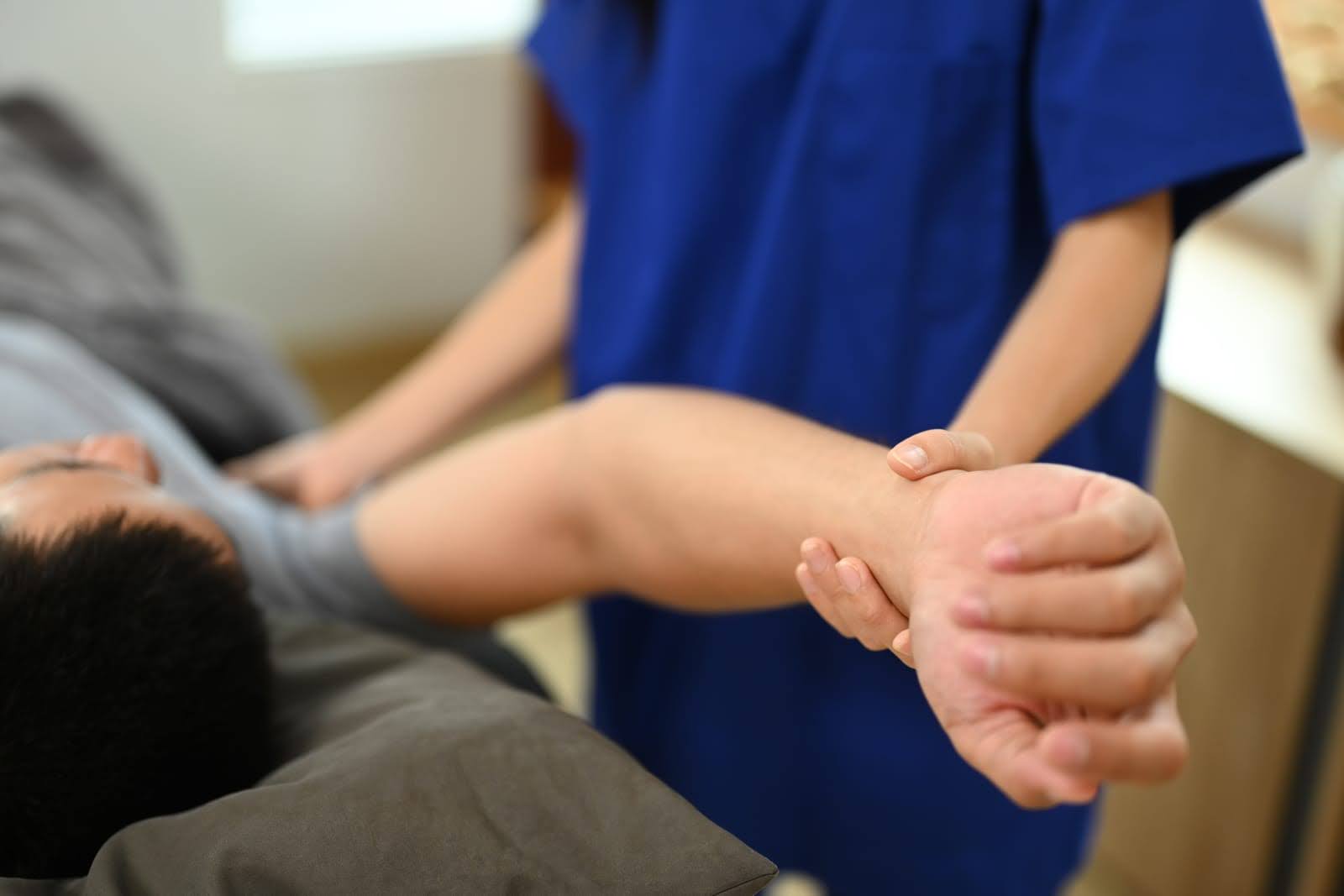
What actually happens during keyhole rotator cuff repair, an honest month-by-month recovery timeline, and what makes the difference between a good result and a great one.
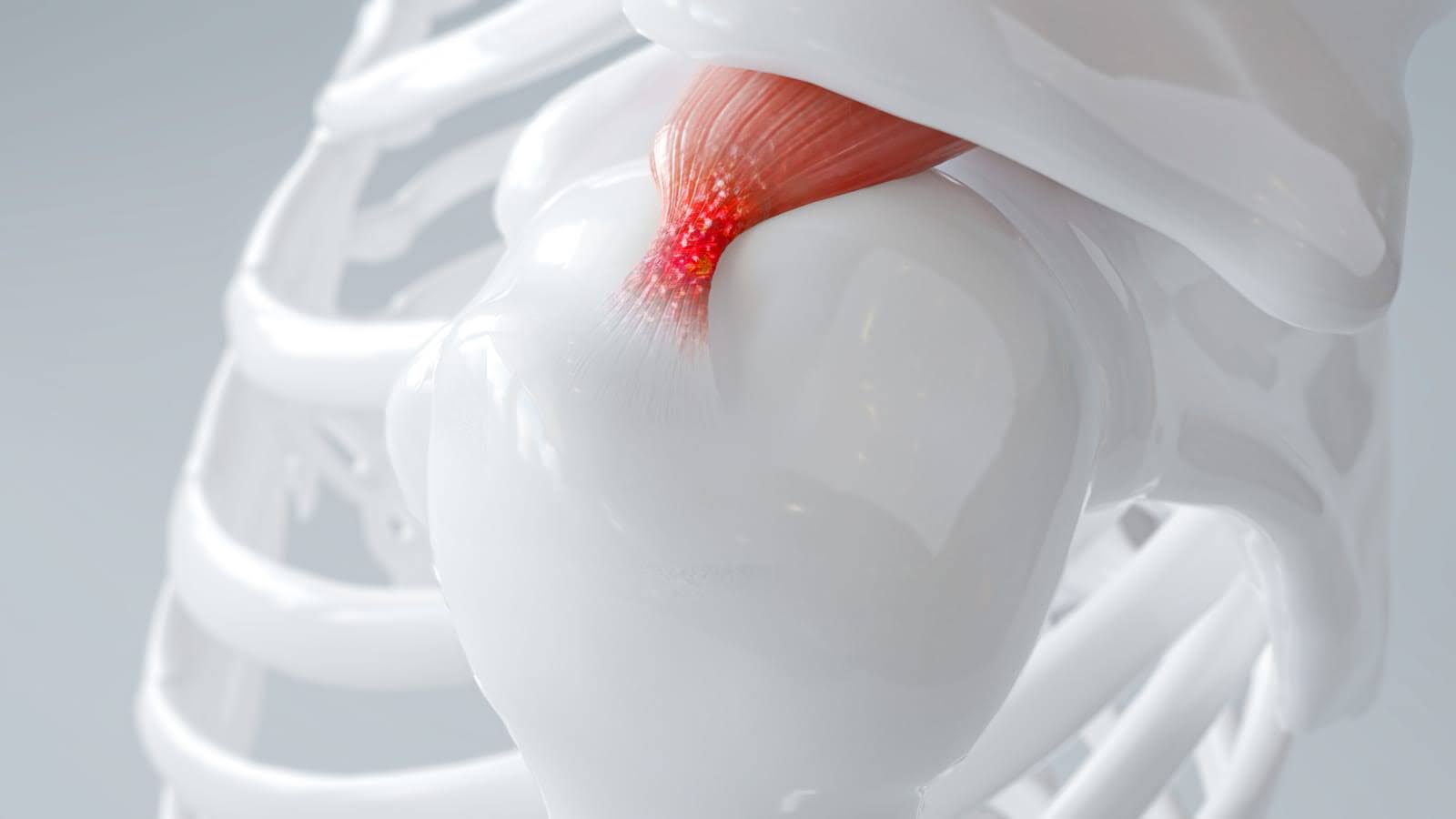

A rotator cuff repair is one of the most common shoulder operations we perform, and one of the most misunderstood. Patients arrive expecting either a quick fix, because it's only keyhole, or a long ordeal, because a friend of a friend had a difficult time. The truth sits between the two, and knowing it in advance makes an enormous difference to how your recovery goes.
This guide walks through the operation itself, what each stage of recovery actually feels like, and the questions that matter most: when the sling comes off, when you can drive, when you can work, and how good the shoulder will eventually be.
If you are still deciding whether you need surgery at all, start with can a rotator cuff tear heal on its own? Not every tear needs an operation, and the honest answer depends on the type of tear you have.
The rotator cuff is a group of four tendons that wrap around the ball of the shoulder joint and control its movement. When one of the tendon tears, most often the supraspinatus tendon at the top, the shoulder becomes painful and weak, classically with pain at night and difficulty lifting the arm.
Tears come in two broad kinds. The more common degenerate tears develop gradually with age (seen from around 45 years onwards), a little like a rope fraying. Traumatic tears happen in one moment due to heavy fall or direct blow to the joint.. The distinction matters, because a traumatic tear in an otherwise healthy tendon is often the kind where earlier repair gives a more reliable result.
The operation is done arthroscopically, through three or four incisions each under a centimetre. If you are new to how keyhole surgery works, our guide to keyhole vs open shoulder surgery covers it in detail.
In outline:
The operation usually takes between one and two hours depending on the size of the tear. You wake with the arm already in a sling and, thanks to the nerve block, usually in very little pain on the first day.
There is a fuller clinical description on our repair of the rotator cuff page.
Stitching the tendon to the bone is not the repair. It is the scaffolding for the repair. The real work happens over the following weeks as the tendon grows back onto the bone, and that biological process takes around twelve weeks regardless of how small the incisions were.
This is why the recovery plan can feel oddly slow for such a minimally invasive operation, and why patients who understand it do better. Every stage below exists to protect healing tissue while it is weak and to load it progressively as it gets strong.
Every shoulder and every tear is different, and Mr Baring will tailor this to your operation. But a typical keyhole rotator cuff repair follows this pattern:
Weeks 0 to 2: protect and settle. You wear a sling, day and night at first. The nerve block wears off within the first 24 hours and you will need regular pain relief for the next few days. Sleep is the hardest part at this stage; most people are more comfortable propped up on pillows or in a recliner rather than flat.
Weeks 2 to 6: passive movement. Physiotherapy begins with gentle assisted movement, where the physio or your other arm does the moving. The repaired tendon is not yet strong enough to work on its own, so no lifting, pushing or reaching. The sling usually comes off between four and six weeks, and it tends to feel like a bigger milestone than it sounds.
Weeks 6 to 12: active movement. You start moving the arm under its own power and using it for normal light activities. The shoulder is often stiff and tired rather than sharply painful by now. Desk-based work is comfortably manageable if it was not already.
Months 3 to 6: strengthening. With the tendon healed to the bone, physiotherapy shifts to rebuilding strength. This is the phase people are tempted to rush or, almost as often, to coast through. The patients who commit to it are the ones whose shoulders feel genuinely normal by the end of it.
Months 6 to 12: return to everything. Golf, swimming, tennis, heavy manual work and gym pressing generally return from around six months, guided by strength rather than the calendar. The shoulder keeps improving for a full year after surgery, which surprises many patients. Where the shoulder is at four months is not where it will finish.
For the same ground covered in more granular detail, including the practical business of washing, dressing and sleeping in a sling, see recovery after keyhole shoulder surgery: a week-by-week timeline.
These three questions come up in almost every clinic, so here they are plainly:
Keyhole rotator cuff repair has a well-established track record, and most patients end up with a shoulder that is considerably less painful and stronger than it was before surgery. No operation can promise that, and results do vary.
Honesty requires two caveats. First, results tend to be better when the tear is smaller and the tissue quality is good, which is one of the reasons not to sit on a painful shoulder for years before being assessed. Larger, older tears can still be repaired, but the tendon does not always heal fully, and the chance of it re-tearing rises with the size of the tear. Second, even when a repaired tendon does not heal completely, many patients still get worthwhile pain relief, which says something about how the operation works.
It is also worth knowing what else can go wrong, because every operation carries risk. After a cuff repair the list includes infection, stiffness, ongoing pain, temporary numbness or weakness in the arm from the nerve block, blood clots, anaesthetic complications, and the possibility of needing further surgery. These are uncommon, and Mr Baring will talk you through the ones that apply to your shoulder and your general health before you decide.
Factors that stack the odds in your favour: not smoking, since smoking impairs tendon healing, keeping diabetes well controlled, stick to the post-operarive guidance and do the physiotherapy properly, especially the unglamorous strengthening months.
If you are weighing up whether to have the operation at all, that is exactly what a consultation is for. It is an assessment, not a commitment to surgery. You can book an appointment with Mr Baring here.
The operation is half the result. I can restore the anatomy, and with a keyhole technique I can do it accurately and with less disturbance to the other structures that make up the shoulder join. But the patients who do exceptionally well share one habit: they treat physiotherapy as part of the operation rather than an optional extra afterwards. The repair I do in theatre takes two hours. The recovery work with physio can take many months. When both halves are done properly, a repaired shoulder can be something you simply stop thinking about, and that is the outcome we are aiming for.
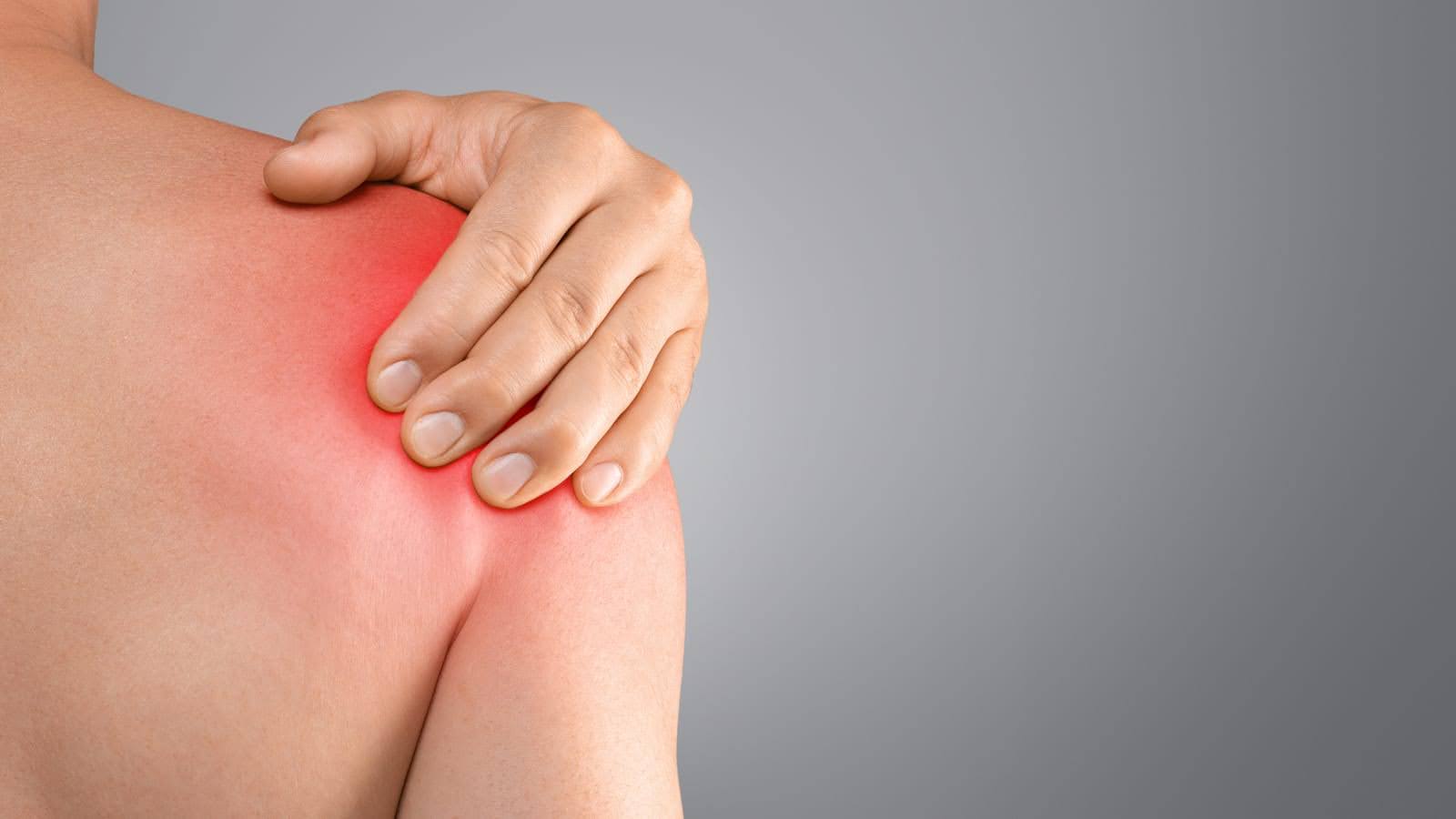
Some tears are entirely reasonable to manage without surgery, with physiotherapy and sometimes an injection. But a tear that is going to need repair is better repaired sooner rather than later. Tears do not knit back together on their own, and over time a repairable tear can become an irreparable one: the tendon retracts, the muscle wastes and turns to fat on the scan, and at that point the options shift to salvage procedures or, in some cases, shoulder replacement.
None of that is meant to alarm anyone into an operation they do not need. It is a reason to be assessed promptly, so that you make the decision while all the options are still on the table. On the NHS, the pathway from GP to scan to specialist can take months. Mr Baring can usually see you, arrange imaging and give you a clear answer within days. Consultations are covered by all major private medical insurers, including Bupa, AXA Health, Aviva and Vitality, and self-paying patients are welcome.
Book an appointment or call 07561 812 682.
How painful is rotator cuff surgery afterwards? The first week is the sore part, managed with regular pain relief, and the nerve block keeps most patients comfortable on day one. Pain then settles into stiffness and aching. Many patients report that within a couple of months the shoulder already hurts less than it did before surgery.
How long do I wear the sling after keyhole rotator cuff repair? Usually four weeks, depending on the size of the repair. You will be shown how to come out of it safely for exercises and washing well before it comes off for good.
Can a rotator cuff repair fail? Yes. The tendon does not fully heal in a minority of cases, and the risk is higher with large or long-standing tears. Even then, most patients still get meaningful pain relief and further surgery is rarely needed. Protecting the repair early and building strength gradually gives the tendon its best chance.
How soon can I type and use a computer? Light typing with the elbow supported at your side is usually fine within the first week or two, sling on. Prolonged mouse use may take longer.
Do the anchors need to come out later? No. The anchors that hold the tendon to the bone are designed to stay permanently, and some modern anchors are absorbed by the body over time.
Is keyhole repair as strong as open repair? Studies comparing the two show broadly equivalent healing and long-term results, with less early pain and a lower infection risk for keyhole. For the small number of tears better served by an open or combined approach, Mr Baring will explain why.
Mr Toby Baring is a consultant orthopaedic surgeon specialising in shoulder and elbow surgery, with a particular interest in arthroscopic rotator cuff repair, shoulder instability surgery and shoulder replacement. Read more about Mr Baring or book an appointment.