
Private Rotator Cuff Repair in London
Stop living with shoulder pain. Expert minimally invasive (keyhole) surgery and rapid recovery with
Mr Toby Baring.
Seeing patients at King Edward VII and One Welbeck and St John and Elizabeth hospital


Is this treatment right for you?
Rotator cuff tears rarely heal on their own. If you recognize these symptoms, your shoulder likely requires specialist assessment.
Pain at night: You cannot sleep on your injured side, and the pain often wakes you up.
Weakness lifting the arm: You struggle to lift your arm above shoulder height or reach behind your back (e.g., putting on a coat).
Persistent ache: A deep, dull ache in the shoulder that travels down the outside of your arm.
Trauma or wear: The pain started after a fall, or has gradually worsened over months.
Not sure? read more about Rotator Cuff repair here
Minimally invasive Rotator Cuff Repair
You do not need open surgery. Mr Baring specializes in all-arthroscopic (keyhole) rotator cuff repair. This modern technique uses tiny incisions (less than 1cm) and a high-definition camera to reattach your torn tendon to the bone.
Why choose this approach?
Less pain: Significantly reduced post-operative pain compared to open surgery.
Minimal scarring: Tiny incisions that are barely visible once healed.
Precision: The 4K camera allows for a more accurate repair of the tendon.
Understanding Rotator Cuff tears: When surgery is necessary
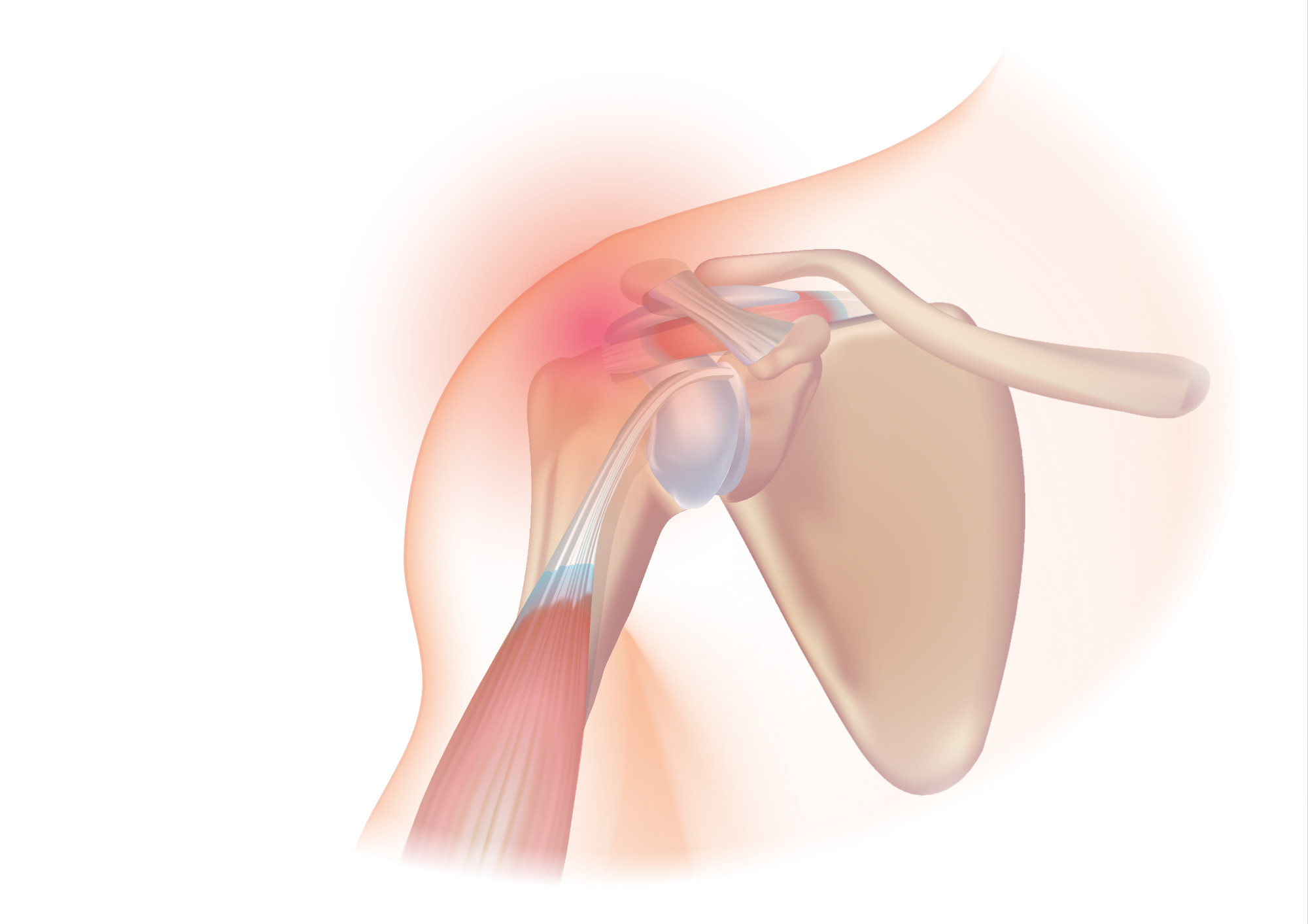
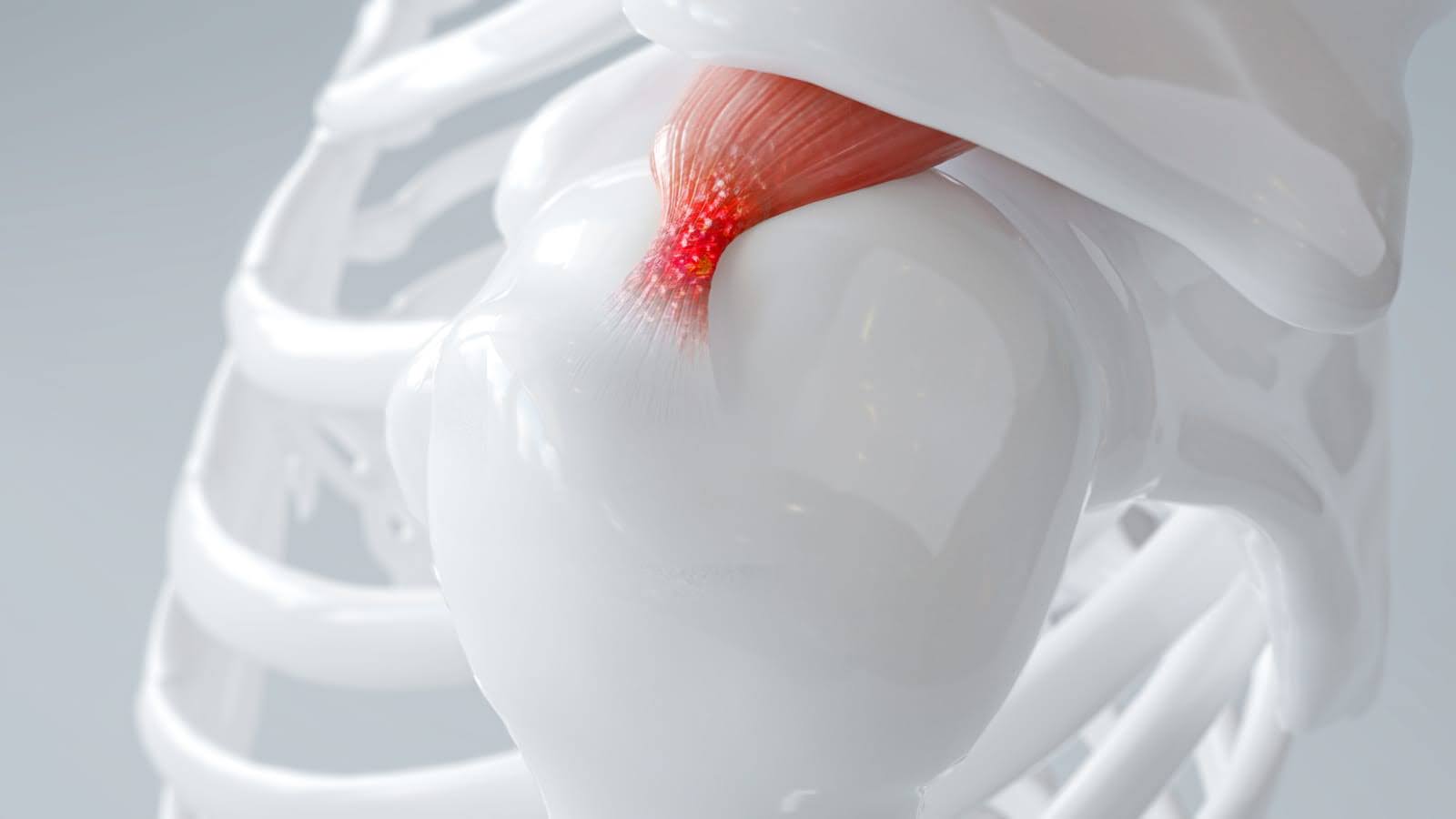
The rotator cuff is a group of four small muscles and tendons that surround your shoulder joint. They have a crucial job: they keep the arm bone centred in the socket and allow you to lift and rotate your arm.
Because these tendons are under constant tension, they are prone to failure. This usually happens in one of two ways:
- Acute trauma: A sudden fall or heavy lifting accident that tears the tendon immediately.
- Degenerative wear: Gradual thinning of the tendon over years, similar to a rope fraying until it eventually snaps.
The main issue: Why it doesn’t just heal
Patients often ask why they can’t simply rest and let the shoulder heal like a sprained ankle. The answer lies in biology. Rotator cuff tendons have a very poor blood supply, which is essential for tissue repair.
Unlike a muscle strain, a torn tendon cannot regrow or knit itself back together on its own. Once torn, the muscle pulls the tendon end away from the bone. Over time, this gap widens—a process known as retraction. If left untreated for too long, the muscle can eventually turn to fat (atrophy), making repair impossible.
When is surgery required?
Not every shoulder pain needs an operation. Small, degenerative tears in older patients can sometimes be managed with physiotherapy to strengthen the surrounding muscles.
However, surgery is typically the recommended pathway if:
- You have night pain: The pain prevents you from sleeping on the affected side.
- There is significant weakness: You struggle to lift your arm above shoulder height or reach behind your back.
- The tear is traumatic: Active patients with a sudden injury usually require early repair to restore function.
The solution: Minimally invasive repair:
Modern rotator cuff repair is almost always performed as arthroscopic (keyhole) surgery. Using tiny incisions and a camera, we reattach the torn tendon directly to the bone using strong sutures. This halts the retraction process, relieves the deep ache, and restores the mechanical strength of your shoulder.
View all conditions we treat
Recovery Timeline
This isn't the same for everyone but this gives you a rough idea of the recovery time we expect from a normal Rotator Cuff Repair.
We work with the following insurers
If you don't see your insurer listed please reach out and we will chat through the options with you.










Customer testimonials
Some of the nice things people have said about us.

My recovery was fast, which attests to Dr Baring's expertise in shoulder surgery.
Highly recommendable specialist with a great support team.
He has also taken an interest in my health generally; he has gone to the trouble of finding for me a specialist for another problem. I cannot speak more highly of his care.
Pricing and Insurance
How much does a Rotator Cuff Repair cost?
pre-authorisation data for you.
For patients without insurance, we offer fixed-price packages at our partner hospitals. Pricing is indicative and varies slightly depending on final decisions about surgery.
We work with the following insurers
If you don't see your insurer listed please reach out and we will chat through the options with you.
Locations
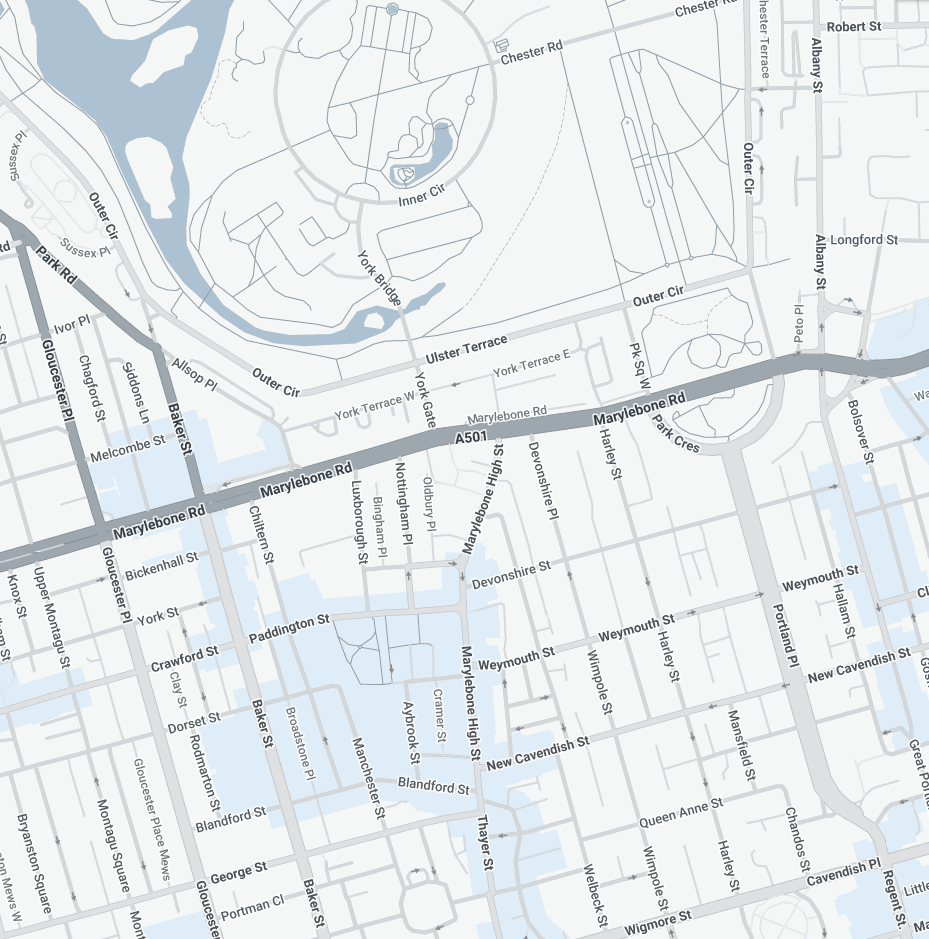
The locations you can meet Mr Toby Baring for Consultation or Surgery.


FAQs
Commonly asked questions about Rotator Cuff Repair in London
No - you can book yourself directly into clinic by clicking here
Ideally, the sooner the better. The urgency depends on the size of the tear. With the larger the tears, the tendon and muscles start to atrophy immediately and for these we would aim to get in for the surgery within 2 to 3 weeks.
Typically a nerve block is performed during the anaesthetic which mean the arm will be numb and pain-free for the first 12-18 hours. When the block wears off, pain will tend to be at a level that will be well-controlled by regular oral pain-killers for the first 3-4 days.
In younger patients (under 55 years) with symptomatic tears, surgery is usually indicated as they will not healed spontaneously and will tend to progress over time. Tears in the older population are common and are often age-related wear and tear and often do not need repairing but tend to respond well to a combination of injection therapy (steroids) and directed physiotherapy.
Again it depends to the size of the tear and the period of immobilisation required to allow the tendon to heal safely. Smaller tears take about 4 months to return to most activities. Massive tears can take 12 months. In most cases the shoulder will be de-functioned (i.e less movement and use than before the operation) for the first 2-3 months.
Still have questions?
Get in touch below and we'll be able to help you.
Start your recovery today.
Book a consultation today. Appointments available this week.