
Learn to distinguish frozen shoulder from rotator cuff tears. Expert comparison of symptoms, causes, and treatments from London orthopaedic surgeon Mr Toby Baring.


Shoulder pain ranks among the most common musculoskeletal complaints, yet distinguishing between different shoulder conditions remains challenging for both patients and healthcare providers. Two frequently confused conditions - frozen shoulder and rotator cuff injuries - share similar symptoms but require vastly different treatment approaches.
According to statistics, frozen shoulder affects 2% to 5% of the general population, while rotator cuff-related abnormalities have a reported prevalence ranging from 9.7% to 62%, making accurate diagnosis crucial for effective treatment and recovery.
The confusion between frozen shoulder vs rotator cuff conditions stems from their overlapping symptoms, yet these represent distinctly different shoulder problems with unique underlying causes and treatment approaches. Understanding these differences can save months of ineffective treatment and unnecessary frustration.
Frozen shoulder, medically known as adhesive capsulitis, occurs when the joint capsule surrounding the shoulder becomes inflamed, thickened, and contracted. This creates a scenario where the entire shoulder joint becomes "frozen" in place, severely limiting movement in all directions. The condition typically develops gradually and follows a predictable three-stage progression over months or years.
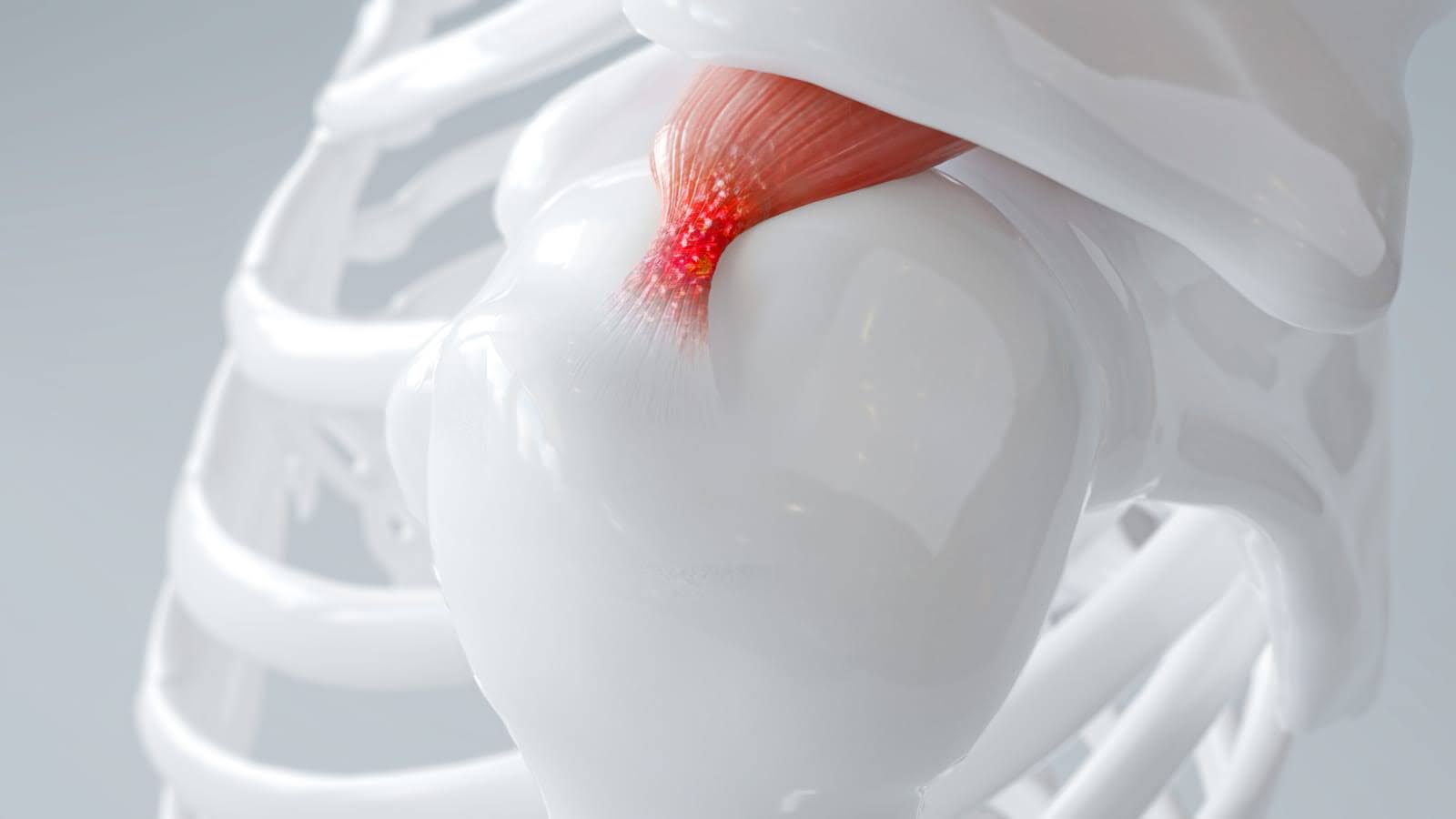
In contrast, rotator cuff injuries involve damage to the specific muscles and tendons that stabilize and move the shoulder joint. These injuries can range from minor inflammation to complete tears of the tendons, affecting the shoulder's ability to lift and rotate, but often allowing some degree of movement with assistance.
The most reliable way to distinguish between these conditions lies in understanding their distinct symptom patterns and movement characteristics.
The hallmark difference between these conditions becomes apparent during a simple movement test. With a rotator cuff injury, patients typically retain the ability to lift their arm with assistance from their other hand or from another person, even though doing so independently may be painful or impossible.
However, frozen shoulder or rotator cuff conditions present differently in this crucial test. Patients with frozen shoulder cannot move their arm through its full range of motion, even with external assistance. This restriction occurs because the joint capsule itself has contracted and thickened, creating a mechanical barrier that prevents movement regardless of the force applied.
Pain patterns also provide valuable diagnostic clues. Rotator cuff injuries typically cause sharp, acute pain during specific movements, particularly when lifting the arm overhead or rotating it outward. The pain often intensifies at nighttime, especially when lying on the affected shoulder, and may be accompanied by clicking or popping sensations.
Frozen shoulder pain tends to be more constant and aching in nature, present even during rest periods. The pain typically worsens gradually over time and becomes particularly troublesome at night, often disrupting sleep for extended periods.
Understanding what triggers these conditions helps distinguish between them and guides prevention strategies.
Rotator cuff problems typically result from one of several distinct mechanisms. Acute injuries can occur from sudden trauma, such as falling on an outstretched arm or lifting heavy objects improperly. However, the majority of rotator cuff issues develop gradually through repetitive overhead motions common in certain occupations and sports.
Age-related degeneration represents another major factor, as the tendons naturally weaken and become more susceptible to tears over time. People in professions requiring repetitive overhead arm movements, such as painters, carpenters, and athletes in throwing sports, face a significantly higher risk.
The difference between frozen shoulder and rotator cuff injury origins becomes clear when examining frozen shoulder causes. This condition often develops following periods of shoulder immobilization, whether due to injury, surgery, or other medical conditions that prevent normal shoulder movement.
Certain medical conditions dramatically increase the frozen shoulder risk. Diabetes represents the strongest risk factor, with diabetic individuals being five times more likely to develop the condition. Thyroid disorders, cardiovascular disease, and autoimmune conditions also contribute to increased susceptibility.

A detailed symptom analysis reveals distinct patterns that help differentiate these conditions.
Knowing when to consult healthcare providers can prevent prolonged suffering and ensure appropriate treatment begins promptly.
Immediate medical attention required:
Professional assessment timeline:
The distinct nature of these conditions demands different treatment strategies, making accurate diagnosis essential forsuccessful outcomes.
Many patients wonder which is worse, frozen shoulder or rotator cuff tear, in terms of long-term impact and treatment complexity. The answer depends largely on individual circumstances and the specific characteristics of each condition.
Frozen shoulder typically causes more severe initial disability due to the complete loss of shoulder movement. However, this condition usually resolves completely with time and appropriate treatment, rarely causing permanent damage or requiring surgical intervention.
Rotator cuff tears, particularly complete tears, may require surgical repair to restore full function and prevent long-term complications. Without treatment, large rotator cuff tears can lead to progressive weakness, arthritis, and permanent functional limitations.
Factors influencing condition severity:
In some cases, patients may develop both conditions simultaneously or sequentially, creating a complex clinical picture that requires specialized management.
Recent research indicates that patients with frozen shoulder may have a higher likelihood of concurrent rotator cuff tears, particularly in older individuals. This combination can complicate both diagnosis and treatment, as the restricted movement from frozen shoulder may mask the symptoms of a rotator cuff tear.
When both conditions exist together, treatment typically addresses the frozen shoulder first to restore range of motion, followed by specific interventions for the rotator cuff injury. This staged approach ensures that each condition receives appropriate attention without interfering with the other's treatment.
The path forward depends on accurate diagnosis and understanding individual circumstances. Working with healthcare providers who understand the nuances of shoulder conditions ensures the most appropriate treatment approach.
Success in treating either condition requires patience, consistent effort, and realistic expectations about recovery timelines. While the journey may be lengthy, particularly with frozen shoulder, most patients achieve significant improvement with appropriate treatment and commitment to rehabilitation protocols.
Understanding the fundamental differences between these common shoulder conditions empowers patients to seek appropriate care early, potentially reducing both the severity and duration of symptoms while avoiding unnecessary treatments that may not address the underlying problem.