Don't let a fall ruin your season. From rotator cuff tears to dislocations, we cover the most common skiing shoulder injuries and how to treat them quickly.

The exhilaration of carving down a pristine slope can vanish in seconds. One wrong edge, an unexpected patch of ice, or a moment of lost balance sends skiers tumbling. Arms instinctively reach out to break the fall. Then comes the sharp, searing pain radiating through the shoulder. What started as a perfect powder day ends in the ski patrol's sled, heading down the mountain with an injury that could sideline the season.
Understanding how to prevent and treat shoulder injuries from skiing can mean the difference between enjoying winter sports for years to come and facing months of painful recovery.
Surgery for ski related shoulder injuries is often not required and almost never indicated as an absolute emergency – usually only need if it is an open fracture, a locked dislocation or there is significant damage to blood vessels. It is recommended that your injury is given first aidby the mountain team and resort medical services but if surgery is possible required you return to your home country and have definitive treatment performed by a local orthopaedic surgeon - Book an appointment here - Fractures can wait up to 2 weeks for definitive surgical treatment without effecting outcome.
Shoulder injuries represent a significant concern for alpine skiers. According to research, shoulder injuries account for 11.4% of all alpine skiing injuries, with a rate of 0.51 injuries per 1,000 skier-days.These numbers translate to thousands of injured skiers each season, many of whom face extensive recovery periods.
The shoulder's complex structure makes it particularly vulnerable during skiing accidents. Unlike the knee, which has relatively stable bony support, the shoulder relies heavily on muscles, tendons, and ligaments for stability. This design allows a remarkable range of motion butcreates vulnerability when forces exceed what these soft tissues can handle.Falls remain the primary culprit, accounting for over 93% of skiing shoulder injuries.
Winter sports enthusiasts often underestimate shoulder injury risk, focusing protective efforts on knees and heads while neglecting upper body conditioning and awareness. This oversight proves costly when unexpected falls occur. The shoulder absorbs tremendous impact forces during tumbles, particularly when skiers extend their arms trying to catch themselves. Understanding the mechanisms behind these injuries provides the foundation for effective prevention strategies.
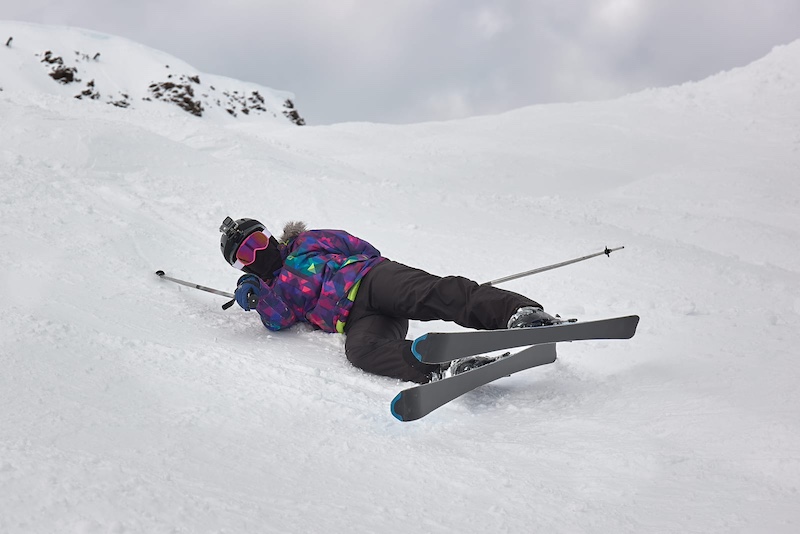
Different fall patterns create distinct injury types. The position of the arm during impact, the angle of the fall, and the force involved all determine which structures sustain damage. Recognizing these common ski shoulder injuries helps skiers understand their symptoms and seek appropriate treatment.
Anterior shoulder dislocations top the list of skiing shoulder injuries, representing approximately 52% of all shoulder problems seen in ski clinics. These occur when the arm forcefully extends and rotates externally during a fall, popping the humeral head out of the socket. The injury causes immediate, severe pain and visible deformity. The arm typically locks in an awkward position away from the body.
First-time dislocations often stretch or tear the labrum, a ring of cartilage that deepens the shoulder socket. This damage increases the risk of future dislocations, creating a cycle that can plague skiers for years. Younger athletes face particularly high recurrence rates without proper treatment and rehabilitation. Some dislocations also involve fractures of the glenoid rim or humeral head, complicating treatment and recovery.
The rotator cuff consists of four muscles and their tendons that stabilize the shoulder joint. These structures tear when excessive force overwhelms their capacity, typically during falls onto an outstretched arm. Rotator cuff injuries account for about 20% of skiing shoulder problems and tend to affect older skiers more frequently than younger ones.
Symptoms develop differently than dislocations. Rather than sudden deformity, rotator cuff tears cause pain, weakness, and difficulty lifting the arm. Some tears occur suddenly with a pop or tearing sensation, while others develop gradually after an initial injury. The severity ranges from partial tears affecting only some tendon fibers to complete tears that separate the tendon entirely from bone. Treatment varies significantly based on tear size, patient age, and activity demands.
AC joint separations happen when falling directly onto the point of the shoulder. The ligaments connecting the collarbone to the shoulder blade stretch or tear, allowing the clavicle to separate from the acromion. These injuries create a visible bump on top of the shoulder where the clavicle elevates. AC separations represent roughly 18% of skiing shoulder injuries.
Grading systems classify AC separations from Type I (mild sprain) through Type VI (severe displacement). Lower-grade injuries typically heal with conservative treatment, while higher grades may require surgical repair. The decision depends on the degree of separation, the patient's activity level, and response to initial treatment. Many skiers return to the slopes with lower-grade separations, though some permanent bump remains visible.
Bone fractures occur less frequently but carry serious implications. The clavicle, proximal humerus, and glenoid all face fracture risk during high-energy impacts. Clavicle fractures typically result from direct shoulder impacts, creating obvious deformity and severe pain. Proximal humerus fractures affect the upper arm bone and occur more commonly in older skiers with weaker bones. Greater tuberosity fractures often accompany shoulder dislocations.
Preventing shoulder injuries from skiing requires multi-faceted approach combining physical preparation, technical skill development, and smart decision-making on the slopes. While no strategy eliminates injury risk completely, these evidence-based methods significantly reduce the likelihood of shoulder damage.
Physical preparation before ski season begins provides crucial protection. A comprehensive conditioning program should address:
• Rotator cuff strengthening through external and internal rotation exercises with resistance bands
• Scapular stabilization exercises to improve shoulder blade control and positioning
• Core stability training to enhance overall balance and control during skiing
• Leg strength development to handle challenging terrain and prevent compensatory upper body movements
• Flexibility work for shoulders, chest, and upper back to maintain healthy range of motion
Starting this conditioning program at least six weeks before the first ski day allows adequate time for strength gains. Continuing these exercises throughout the season maintains protection as fatigue accumulates over multiple ski days. Many shoulder injuries occur late in the day when muscles tire and protective reflexes slow.
Learning how to fall safely might sound counterintuitive, but it dramatically reduces injury severity. When a fall becomes inevitable, skiers should avoid extending arms to break the impact. Instead, tucking arms close to the body and rolling with the fall distributes forces across larger areas. Think of how martial artists practice falling—absorbing impact through rolling motions rather than rigid resistance.
Practicing safe falling techniques on soft surfaces during off-season training builds muscle memory that activates during actual falls. The instinct to extend arms runs deep, so deliberate practice helps override this natural but dangerous reflex. Ski instructors can incorporate falling drills into lessons, particularly for beginners who haven't yet developed automatic falling patterns.
While equipment modifications cannot eliminate shoulder injury risk, certain choices reduce vulnerability. Properly adjusted bindings that release during falls prevent the body from being yanked unnaturally by attached skis. Pole straps warrant particular attention—some experts recommend skiing without wrist straps or using breakaway designs. Poles that remain attached during tumbles can torque arms into dangerous positions.
Protective padding exists for shoulders, though adoption remains limited compared to helmets and back protection. These padded jackets or vests absorb some impact energy during direct shoulder strikes. While they add bulk and cost, skiers with previous shoulder injuries or those tackling challenging terrain might benefit from this additional protection layer.
Beyond physical preparation and technique, decision-making on the mountain affects injury risk substantially. Skiing within ability level, avoiding excessive fatigue, and recognizing hazardous conditions all contribute to safer experiences. Crowded slopes increase collision risk, while icy conditions make falls more likely and more dangerous.
Warm-up runs at the beginning of each day prepare muscles and joints for more demanding terrain. Taking breaks before exhaustion sets in maintains coordination and reaction time. Afternoon skiing when shadows lengthen and visibility decreases demands extra caution. These seemingly minor choices accumulate to significantly impact overall injury risk throughout a ski season.

The minutes following a shoulder injury critically influence long-term outcomes. Proper immediate response limits additional damage and sets the stage for optimal recovery. Skiers experiencing shoulder pain after a ski fall should follow systematic evaluation and treatment protocols.
First, assess injury severity honestly. Obvious deformity, inability to move the arm, severe pain, or numbness demands immediate professional evaluation. Ski patrol should transport the injured skier off the mountain rather than attempting to ski down. Trying to tough it out risks additional injury and complicates treatment.
For less severe injuries, basic first aid principles apply. Stop skiing immediately—continuing risks worsening the damage. Remove ski equipment carefully, protecting the injured shoulder from further trauma. Ice application reduces inflammation and pain, though direct ice contact should be avoided to prevent frostbite. A makeshift sling immobilizes the shoulder during transport.
Medical evaluation should occur within 24 hours for significant injuries, even if immediate emergency care seems unnecessary. Delayed assessment can miss important findings or allow complications to develop. Many ski resorts maintain medical clinics staffed by providers experienced in winter sports injuries. These professionals can perform initial examinations, order imaging when appropriate, and provide proper immobilisation.
Treatment approaches for shoulder injuries from skiing vary dramatically based on injury type, severity, patient age, activity level, and treatment goals. Understanding available options helps patients make informed decisions about their care.
Many skiing shoulder injuries respond well to non-surgical management. Mild to moderate rotator cuff strains, low-grade AC separations, and simple contusions often heal with conservative care. The initial treatment phase focuses on controlling pain and inflammation through rest, ice, compression, and elevation. Anti-inflammatory medications reduce discomfort and swelling when used appropriately.
Immobilization duration depends on injury type. Most injuries benefit from initial rest lasting one to three weeks, followed by gradual reintroduction of movement. Prolonged immobilization beyond necessary periods leads to stiffness and weakness that complicates recovery. Physical therapy begins once acute pain subsides, progressing through range of motion restoration, strengthening, and functional training phases.
The rehabilitation timeline extends from weeks to months depending on injury severity. Patience during this process prevents re-injury that could restart the entire recovery cycle. Physical therapists design progressive programs that challenge healing tissues appropriately without overwhelming them. Home exercise compliance significantly influences final outcomes.
Certain injuries require surgical intervention to restore function and stability. Complete rotator cuff tears in active individuals, displaced fractures, unstable dislocations in young patients, and high-grade AC separations often need operative repair. The decision balances injury characteristics against patient factors including age, activity level, occupation, and treatment goals.
Modern shoulder surgery predominantly uses arthroscopic techniques when possible. Small incisions and camera-guided instruments minimize tissue trauma, reduce pain, and accelerate recovery compared to traditional open procedures. Surgeons can repair torn rotator cuffs, stabilize dislocated shoulders, and address labral tears through these minimally invasive approaches.
Post-surgical rehabilitation follows structured protocols specific to each procedure. Early phases protect healing repairs through immobilization and limited motion. Middle phases restore range of motion progressively. Late phases rebuild strength and return patients to full activity. The complete recovery process typically spans four to six months for most procedures, sometimes extending to a full year for complex repairs.
The journey back to skiing after shoulder injury requires patience and systematic progression. Rushing this process invites re-injury that could prove more severe than the original problem. Medical clearance from the treating physician provides the foundation, but readiness involves more than healed tissues.
Skiers should meet specific criteria before returning to slopes:
• Pain-free range of motion matching the uninjured shoulder
• Strength testing showing at least 90%of opposite shoulder capability
• Successful completion of sport-specific training exercises
• Confidence performing movements that previously caused injury
Initial return sessions should occur on easy terrain with shorter durations. Gradually increasing difficulty and duration over several outings allows the shoulder to re-adapt to skiing demands. Some soreness might occur initially, but sharp pain signals excessive stress requiring additional rest. Continuing strengthening exercises throughout the season maintains protection against re-injury.
Previous injury creates permanent vulnerability that demands ongoing attention. Skiers who suffered shoulder injuries should maintain year-round conditioning programs focusing on shoulder stability and strength. This commitment reduces re-injury risk and extends skiing careers.Many athletes find they must modify their approach to the sport, choosing less aggressive terrain or techniques that minimize shoulder stress.
Shoulder injuries from skiing represent a serious threat to winter sports enjoyment, but they are not inevitable. The combination of proper physical preparation, smart technique, appropriate equipment choices,and cautious decision-making dramatically reduces injury risk. When injuries do occur, prompt appropriate treatment and patient rehabilitation restore function for the majority of patients.
Understanding the mechanics of skiing shoulder injuries empowers athletes to protect themselves effectively. The few minutes invested in warm-up exercises, the discipline to ski within ability level, and the commitment to pre-season conditioning provide enormous returns in injury prevention. For those recovering from shoulder injuries, following treatment protocols completely and resisting the temptation to return prematurely ensures the best possible outcomes.
The slopes will always present risks—that element of challenge contributes to skiing's appeal. However, informed skiers who take injury prevention seriously can minimise those risks substantially while maximising their enjoyment of this magnificent sport. Whether carving groomers or tackling powder bowls, protecting shoulder health ensures many more seasons of winter adventures ahead.