
Discover effective physiotherapy exercises for shoulder injury recovery. Enhance healing with expert guidance.


Shoulder injuries can be a daunting experience, and physiotherapy for shoulder injury offers one of the most effective, structured paths to recovery available. Whether the pain stems from a sports incident, workplace strain, or gradual overuse, the right physiotherapy approach alleviates pain, restores function, and reduces the risk of long-term complications. Understanding the causes, symptoms, and treatment options is the foundation of optimal healing.
Shoulder injuries often arise from overuse, trauma, or improper techniques during physical activities. Repetitive motions in sports such as tennis, swimming, or baseball, and in manual labour tasks, commonly lead to conditions like rotator cuff tears or tendon strain in the shoulder. Rotator cuff tears are particularly prevalent among athletes and can significantly impair shoulder function. Improper lifting techniques present another significant risk; a weight lifting injury to the shoulder, caused by poor posture or excessive load, can produce lasting damage. According to sports medicine research, up to 30% of shoulder injuries in athletes are linked directly to improper training techniques.

Recognising the symptoms of a shoulder injury early is vital for timely intervention. Common presentations include persistent pain, swelling, limited range of motion, and weakness. Specific injuries, such as a shoulder SLAP injury (superior labrum anterior and posterior tear), may produce clicking sounds during movement or a sensation of instability. Night pain that disrupts sleep is also frequently reported, particularly with rotator cuff tears. Early detection prevents further damage and reduces the risk of chronic pain developing over time.
If shoulder pain persists beyond a few days, or if you experience severe pain, numbness, or an inability to move the shoulder, seek professional help promptly. A physiotherapist can clarify the extent of the injury and establish an appropriate treatment plan. They can also assess for conditions that may require more invasive interventions, such as rotator cuff surgery or treatment for shoulder separation. In some cases, diagnostic imaging such as a shoulder arthrogram may be recommended to better understand the nature of the damage. An early assessment aligns treatment with the specific injury type and can prevent prolonged recovery periods.
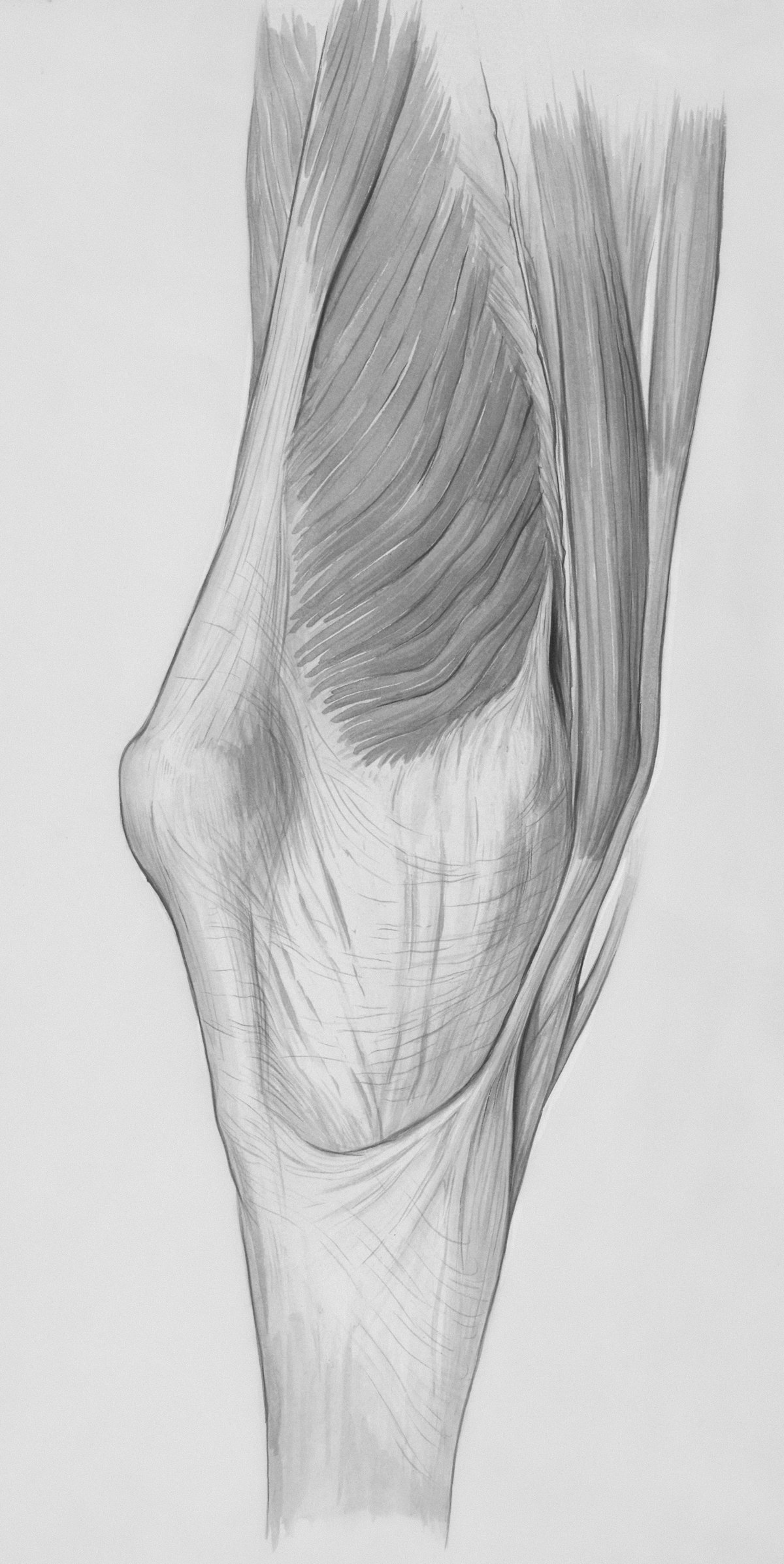
Physiotherapy is instrumental in reducing pain and restoring mobility. Manual therapy, targeted exercises, and modalities such as ultrasound and electrical stimulation all enhance muscle function and support tissue healing. For conditions like rotator cuff strain, where recovery time without intervention can extend to several months, physiotherapy meaningfully shortens that timeline. Research indicates that structured physiotherapy can reduce recovery time by around 40%, allowing patients to resume daily activities more quickly and with less discomfort.
A tailored approach is central to effective physiotherapy. Each shoulder injury demands a unique recovery plan that accounts for the individual's specific condition, lifestyle, and injury severity. A personalised plan for an athlete with a rotator cuff tear will differ substantially from one designed for an office worker managing a tendon strain. This specificity ensures that exercises and treatments address the root cause rather than symptoms alone, promoting efficient recovery and lowering the risk of re-injury.
Evidence-based techniques, including the shoulder posterior capsule stretch and supraspinatus physio exercises, help patients regain strength and mobility faster than rest alone. The shoulder posterior capsule stretch improves flexibility and range of motion, both of which are necessary for a swift return to daily activities. Supraspinatus rehab exercises target the supraspinatus muscle directly, reinforcing shoulder stability and function, and forming a key component of any rotator cuff strain recovery programme.
The shoulder posterior capsule stretch targets the posterior capsule of the shoulder joint to improve flexibility and range of motion. To perform it, cross one arm across your body and use the opposite arm to gently draw it closer to your chest. Hold the stretch for 15 to 30 seconds, repeating several times daily. This stretch benefits individuals dealing with shoulder stiffness and those recovering from rotator cuff surgery. Practised consistently, it can significantly improve shoulder mobility and reduce the risk of frozen shoulder developing during recovery.
The supraspinatus muscle plays a central role in shoulder stability, particularly in movements involving arm elevation. One effective supraspinatus physio exercise involves lying on your side with the injured arm uppermost. Holding a small weight, lift the arm upward while keeping the elbow slightly bent. This strengthens the supraspinatus and supports recovery from rotator cuff tears. Start with a low weight to avoid further strain, progressing gradually and aiming for three sets of 10 to 15 repetitions as strength improves.

Recovering from a weight lifting shoulder injury requires controlled movement and patience. Heavy loads should be avoided in the early stages, with emphasis placed instead on scapular stability and gradual progression. Exercises involving shoulder retraction and protraction of the shoulder help rebuild functional strength safely. Resistance bands are particularly useful here, providing controlled load that improves muscle engagement without placing excessive stress on healing tissue. As strength and confidence return, more dynamic shoulder movements can be introduced progressively.
Correct technique during everyday activities is one of the most effective safeguards against future injuries. When lifting objects, keep them close to the body and use your legs to generate force rather than relying on the shoulders. During sport or exercise, controlled shoulder movements and balanced muscle loading reduce the risk of acute strain. Awareness of ergonomic practices at a desk or workstation is equally relevant, since sustained poor posture places cumulative stress on the shoulder complex.
Regular strengthening and conditioning work maintains long-term shoulder health. Exercises that target the medial rotators of the shoulder, alongside scapular stabilisers, create the foundation of joint stability needed to withstand daily demands and athletic loading. Internal and external rotation exercises using resistance bands are particularly effective for maintaining shoulder joint integrity and reducing overuse injuries. For anyone with a history of shoulder problems, this proactive conditioning approach lowers the likelihood of recurrence considerably.
Routine physiotherapy check-ups offer an opportunity to refine exercise programmes, address any developing issues before they worsen, and confirm that the shoulder is functioning as it should. These assessments can identify subtle muscle imbalances or movement faults that, left unaddressed, often lead to re-injury. They also provide a structured moment to review technique, ensuring that both rehabilitation exercises and everyday physical activity are being performed safely.
Mr. Toby Baring offers specialist expertise in shoulder care, providing patients with thorough evaluations and evidence-based treatment strategies. His experience spans a wide range of shoulder conditions, from acute traumatic injuries to complex post-surgical rehabilitation, and his approach is consistently guided by the latest clinical evidence to maximise recovery outcomes.
Patients under Mr. Baring's care benefit from recovery plans built around their individual condition, lifestyle, and goals. Factors such as injury history, physical demands at work or in sport, and personal recovery targets all inform the plan, making it more effective than a generic protocol and better placed to prevent future injuries.
Mr. Baring provides continuous support from the initial consultation through to full recovery. His approach integrates physical therapy, lifestyle guidance, and patient education on injury prevention, ensuring that patients not only recover from their current injury but also develop the understanding needed to protect their shoulder health going forward.
What are common causes of shoulder injuries?
Common causes include overuse, trauma, and improper lifting techniques.
How can physiotherapy help with shoulder injuries?
Physiotherapy helps by reducing pain, improving mobility, and strengthening muscles.
What is a shoulder posterior capsule stretch?
It is a stretch targeting the posterior capsule of the shoulder to improve flexibility.
Why is it important to follow a personalised recovery plan?
A personalised plan ensures exercises and treatments are tailored to individual needs, enhancing recovery.
How can I prevent future shoulder injuries?
Prevent injuries by using proper techniques, strengthening muscles, and having regular check-ups.
Contact Mr. Toby Baring today to start your personalised physiotherapy plan and accelerate your shoulder injury recovery.