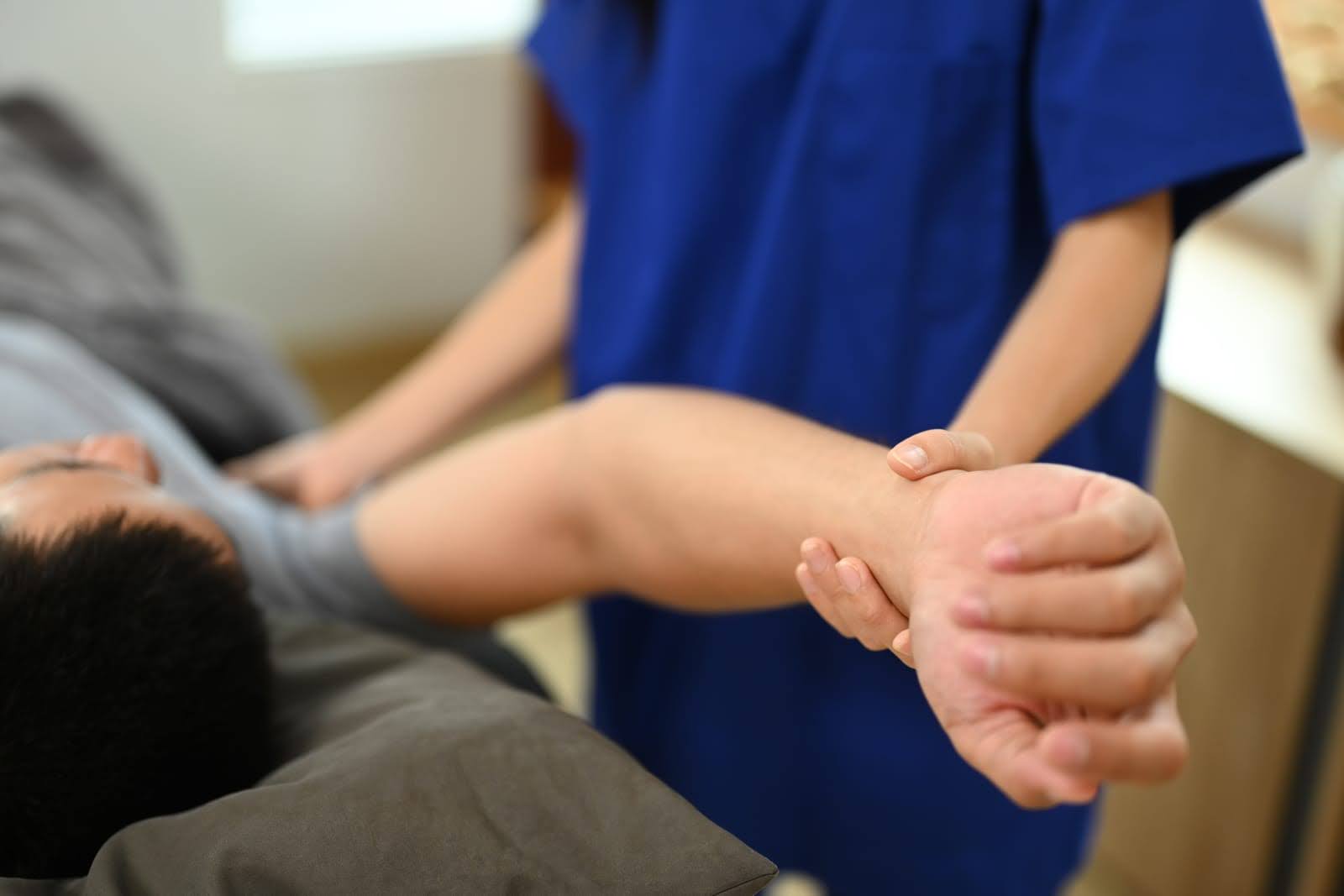
Learn about recovery from rotator cuff surgery with expert tips on physiotherapy and rehab exercises for a faster return to daily activities.


Recovery from rotator cuff surgery is a process that demands patience, diligence, and informed care. Whether you're managing a rotator cuff strain recovery time or embarking on a structured rehabilitation plan, understanding each phase can significantly improve your outcome. This guide covers what to expect after surgery, the role of physiotherapy for shoulder injury recovery, effective rehabilitation exercises, how to manage complications, and the lifestyle adjustments that support long-term shoulder health.
The initial phase following rotator cuff surgery is often the most challenging. Pain and swelling in the shoulder area are typical as the body begins to heal. During this period, you may be advised to wear a sling and commence early gentle mobilisation or a brace to immobilise the shoulder a few weeks – depending on the size of the repair. This will protect the repaired tendons and allowing them to heal properly. Sleep may also be disrupted, as lying on the operated side is generally discouraged for at least six weeks.
Specialised pillows that support the arm and shoulder can help maintain a comfortable sleeping position throughout the night. Setting up a resting area with easy access to water, medication, and a phone also reduces unnecessary movement during the first days at home.
Effective pain management is central to a smooth recovery. Post-operative pain can typically be managed with a combination of prescribed medications and over-the-counter painkillers, alongside ice packs to reduce swelling and discomfort. Some patients find relief through guided relaxation techniques. Follow your healthcare provider's recommendations closely to avoid complications and stay comfortable.
A practical approach is to schedule ice pack applications at regular intervals, typically 15 to 20 minutes at a time every few hours during the first days of recovery. Keep a clear record of medication dosages and timings, and maintain open communication with your healthcare provider about any side effects or concerns.
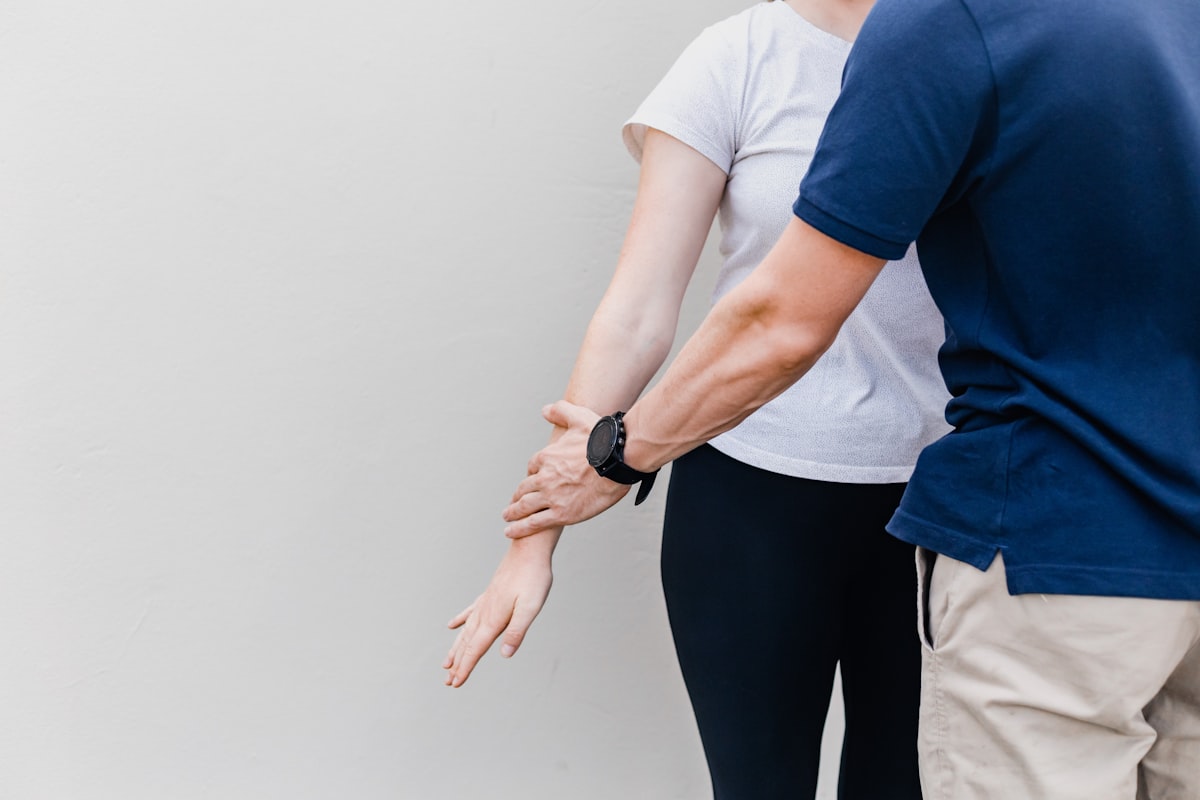
Recovery timelines vary between individuals, and depending on the size of the tear and extent of surgery, the shoulder will take between 6 and 12 months to be fully optimised. The first six weeks involve gentle shoulder movement, after which patients typically progress to light daily activities around the 12-week mark. Return to strenuous activities or sport may take six months or longer, depending on the complexity of the surgery and how consistently the individual follows their rehabilitation programme.
Research published in the Journal of Shoulder and Elbow Surgery indicates that adherence to a structured rehabilitation programme significantly improves outcomes, with many patients regaining full function by the nine-month mark. This reinforces how closely following your prescribed physiotherapy regimen shapes the final result.
Physiotherapy plays an indispensable role in recovery from rotator cuff surgery. A well-structured programme helps restore shoulder functionality, reduce pain, and prevent future injuries by rebuilding the strength and flexibility needed for daily life and sport. Early-stage rehabilitation typically involves passive movements guided by the therapist, which gradually transition to active exercises as healing progresses, ensuring the shoulder is never placed under inappropriate load during vulnerable stages of tissue repair.
Several physiotherapy techniques are used to support shoulder recovery. These begin with passive range-of-motion exercises before progressing to active movements as healing allows. Techniques such as the shoulder posterior capsule stretch and protraction and retraction of the shoulder are commonly used to improve mobility and reduce stiffness.
Exercises that target the medial rotators of the shoulder, including internal rotation with resistance bands, help balance the shoulder's musculature. Addressing the medial rotators of the shoulder alongside the other rotator cuff components reduces the risk of compensatory movement patterns that can lead to re-injury further down the line.
Choosing a qualified physiotherapist is a decision that shapes the entire recovery experience. Look for professionals with specific experience in treating shoulder injuries and rotator cuff surgeries, and confirm they are familiar with targeted work such as supraspinatus rehab exercises, which focus on one of the most frequently injured muscles within the cuff.
Ask your orthopaedic surgeon for a referral, and don't hesitate to question potential physiotherapists about their approach and caseload experience. A good physiotherapist will also provide home exercise programmes and educational guidance to support your progress between clinic sessions.
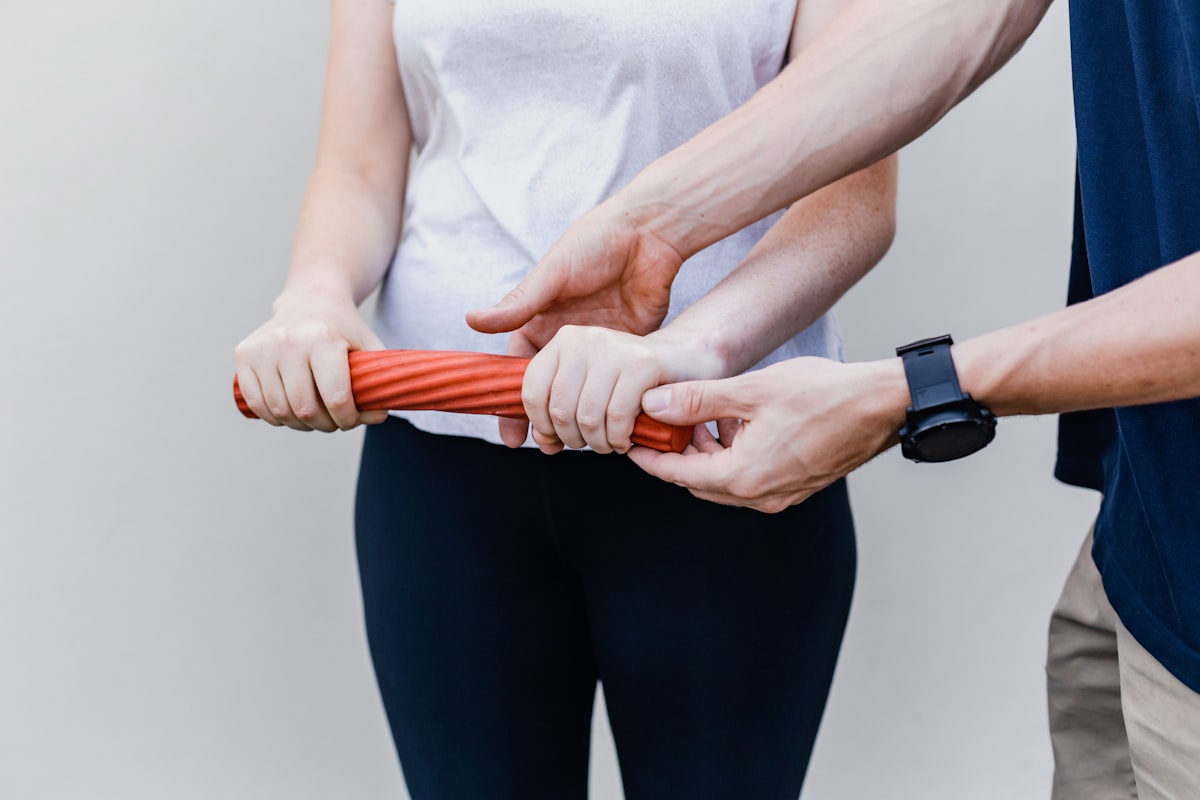
Supraspinatus rehab exercises are central to rebuilding strength in this specific muscle within the rotator cuff. These exercises begin with isometric contractions and progress to dynamic, resistance-based movements as tissue healing allows. The focus is on building muscular endurance and restoring the muscle's ability to stabilise the humeral head during overhead activities.
The "empty can" exercise is one of the most widely used supraspinatus physio exercises in clinical practice. It involves raising the arm to shoulder height with the thumb pointing downward, simulating the motion of emptying a can. Begin with minimal resistance and increase the load gradually under professional supervision to avoid overloading the healing tendon.
Strengthening work should increase progressively in both intensity and complexity. The aim is to fortify the medial rotators of the shoulder and restore balance across the entire shoulder complex, so no single muscle group is left to compensate for a weaker neighbour. Flexibility exercises are equally important throughout this process, preventing stiffness and helping maintain a full range of motion.
Wall slides and pendulum exercises are useful early-stage flexibility tools, while external rotation exercises with resistance bands add an important strength component as recovery advances. Combining both elements means the shoulder remains mobile and stable as demands increase.
A progressive exercise plan is the foundation of successful rehabilitation. The plan should reflect the individual's current recovery stage, starting with low-impact movements before gradually introducing weight-bearing activities and functional tasks. Regular assessments by your physiotherapist allow the plan to be adjusted based on how your shoulder is responding, rather than following a rigid schedule that may not account for your specific progress.
Awareness of potential complications enables earlier intervention. Common issues include prolonged swelling, persistent pain, and restricted shoulder movement, any of which may indicate a tendon strain or other problem requiring medical attention. Watch for signs of infection at the surgical site, such as increased redness, warmth, or discharge, as these require prompt assessment.
Keeping a simple symptom diary in the weeks after surgery can help you and your healthcare team identify patterns and respond quickly if something is not healing as expected.
Recovery rarely follows a perfectly linear path. Plan adjustments may be needed based on your progress, pain levels, or any complications that arise. Collaboration between your physiotherapist and surgeon is the most reliable way to refine the approach so it reflects your evolving needs rather than a generic protocol.
Regular follow-ups provide the opportunity for ongoing assessment and open dialogue about any challenges you are facing throughout the process.
After surgery, protecting the healing shoulder means modifying daily activities for a sustained period. Avoid lifting heavy items, performing overhead movements, and engaging in high-impact sport until your surgeon specifically clears you for these tasks. Assistive devices such as reaching aids or a shower chair can reduce strain on the shoulder during routine activities and are worth arranging before your surgery date.
Reintroduce more demanding activities gradually and only when both you and your healthcare provider feel confident the shoulder is ready.
Maintaining shoulder health over the long term requires a consistent routine of strengthening and flexibility work even after formal rehabilitation ends. Regular check-ups with your healthcare provider allow any early signs of deterioration to be identified before they become problematic.
Low-impact activities such as swimming or cycling support cardiovascular fitness without placing excessive stress on the shoulder. Combined with a balanced diet and adequate sleep, these habits contribute to overall recovery and reduce the likelihood of re-injury. Patients who have previously experienced a weight lifting injury to the shoulder should take particular care when returning to gym-based training and seek specific guidance on load progression.
A strong support network makes a measurable difference during recovery. Family, friends, and peer support groups who understand the demands of post-surgical rehabilitation can provide both practical help and encouragement during more difficult periods.
Online forums and local support communities offer a space to share experiences and gain practical insights from others who have been through similar surgeries. These connections can be valuable at any stage, particularly during the longer middle phases of recovery when progress can feel slow.
How long after rotator cuff surgery can I sleep on my side?
Typically, patients can start sleeping on their side around 4 to 6 weeks post-surgery, but it is important to follow your surgeon's specific advice.
What can you never do after rotator cuff surgery?
Avoid lifting heavy objects, performing overhead activities, and engaging in high-impact sports until cleared by your surgeon.
Is it normal to have pain 5 weeks after rotator cuff surgery?
Some discomfort is normal, but persistent or severe pain should be discussed with your healthcare provider to rule out complications.
What do I need at home after shoulder surgery?
Prepare your home with comfortable seating, easy access to essentials, and any recommended medical equipment such as slings or ice packs.
How can physiotherapy help in rotator cuff recovery?
Physiotherapy aids in restoring movement, reducing pain, and strengthening the shoulder to prevent future injuries.
Ready to start your recovery journey? Book an appointment with Mr. Toby Baring today for personalised care.