
Learn about hurt rotator cuff symptoms and management strategies. Discover expert tips for recovery and care.


A hurt rotator cuff is one of the most common sources of shoulder discomfort, significantly affecting the ability to carry out everyday tasks. These injuries mainly develop as gradual degeneration over time but can be due to acute trauma. Knowing what causes a rotator cuff injury, how to recognise its symptoms, and what treatment options are available is central to a successful recovery. This guide also addresses related concerns, including repetitive strain injury in the shoulder and the strain arm symptoms that often accompany these conditions.
The rotator cuff is composed of four muscles and their tendons, which wrap around the shoulder joint to provide stability and enable movement. These muscles, the supraspinatus, infraspinatus, teres minor, and subscapularis, allow a wide range of shoulder motions, from lifting and rotating the arm to stabilising the joint during activity. Each muscle has a distinct role: the supraspinatus assists in lifting the arm away from the body, while the infraspinatus and teres minor enable external rotation. A working knowledge of this anatomy is valuable for understanding how injuries occur and why certain movements become painful.
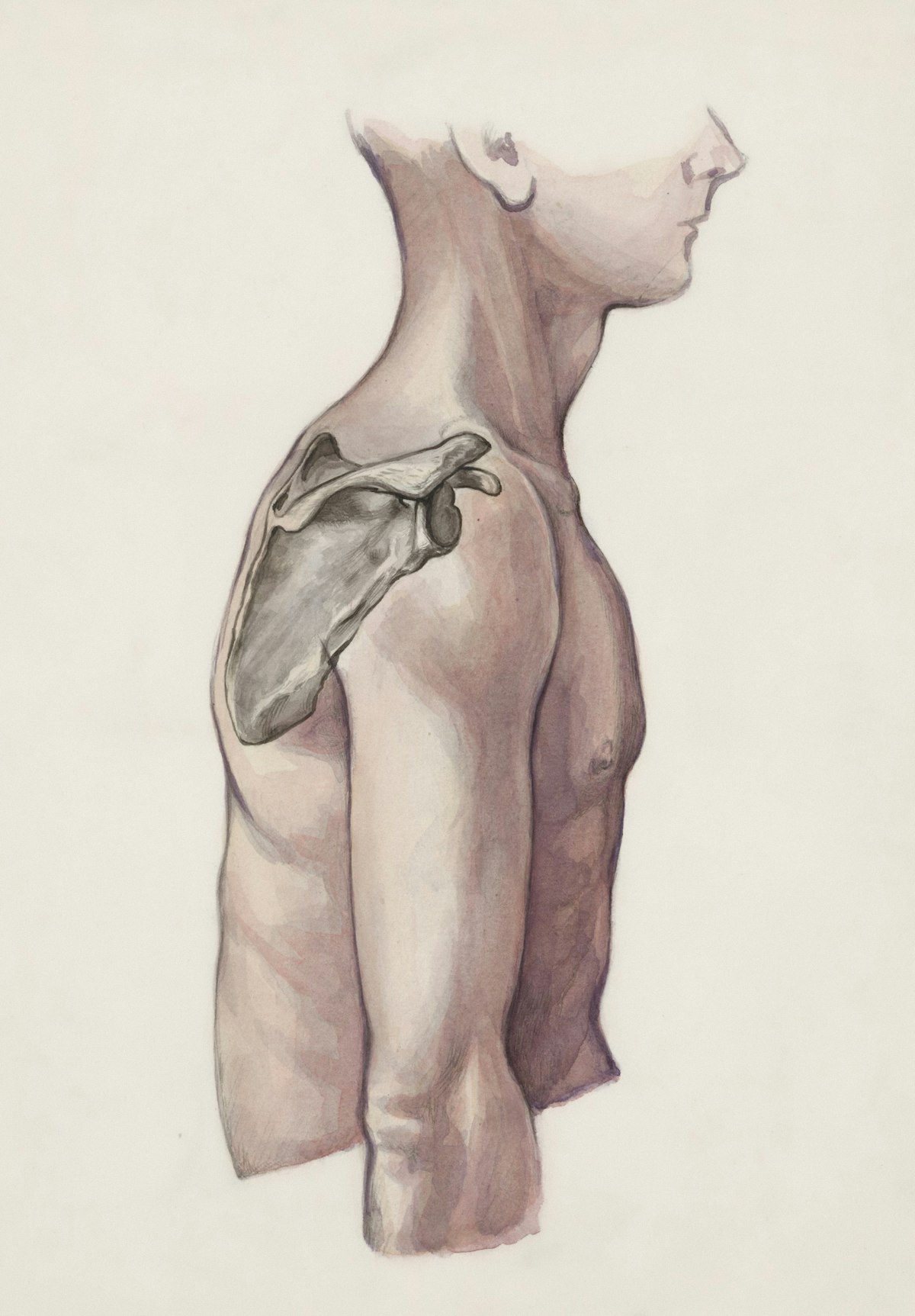
Rotator cuff injuries frequently arise from acute trauma, or degenerative changes within the shoulder. Acute injuries can result from a fall, occasionally producing a dislocated arm alongside tendon damage. In older adults, age-related wear causes tendons to weaken gradually, making them more prone to tearing even with relatively minor exertion.
Rotator cuff injuries fall into three main categories: tears, tendinitis, and bursitis. Tears are the most serious, ranging from partial to complete, with complete tears often requiring surgical repair. Tendinitis involves inflammation of the tendons, most commonly from overuse. Bursitis refers to inflammation of the bursa, the small fluid-filled sac that cushions the rotator cuff from the surrounding bone. Each injury type presents with distinct symptoms and calls for a different approach to treatment.
Pain is the most consistent indicator of rotator cuff damage, typically presenting as a dull ache that worsens with arm movement. This discomfort frequently intensifies at night, particularly when lying on the affected shoulder, and can cause significant sleep disruption. In more severe cases, the pain becomes sharp and sudden, restricting the range of motion and reducing functional use of the arm. Recognising these rotator cuff damage symptoms early allows for prompt intervention before the condition worsens.
A hurt rotator cuff significantly impairs shoulder mobility. Patients often struggle to raise their arm above the head or reach behind the back, movements that are routine in daily life. These limitations tend to produce compensatory movement patterns, placing additional load on surrounding structures and worsening strain arm symptoms over time. Left unmanaged, restricted shoulder mobility can interfere with basic self-care tasks such as dressing or washing hair.
Severe rotator cuff injuries present with notable muscle weakness, making it difficult to lift or carry objects of even modest weight. A complete tear can render the arm nearly non-functional, and this level of injury warrants urgent medical assessment. In some cases, a rotator cuff tear may occur alongside a dislocated arm, creating a more complex injury picture that requires thorough evaluation and a coordinated treatment plan.
Clinicians use a range of physical examination techniques to assess rotator cuff injuries accurately. The Neer and Hawkins-Kennedy impingement tests are widely used to evaluate shoulder impingement and test the integrity of the rotator cuff. Both involve positioning the arm in specific ways to reproduce symptoms, helping the clinician identify which structures are affected and where pain originates. Strength testing of individual shoulder movements is also performed to detect weakness in specific muscle groups.
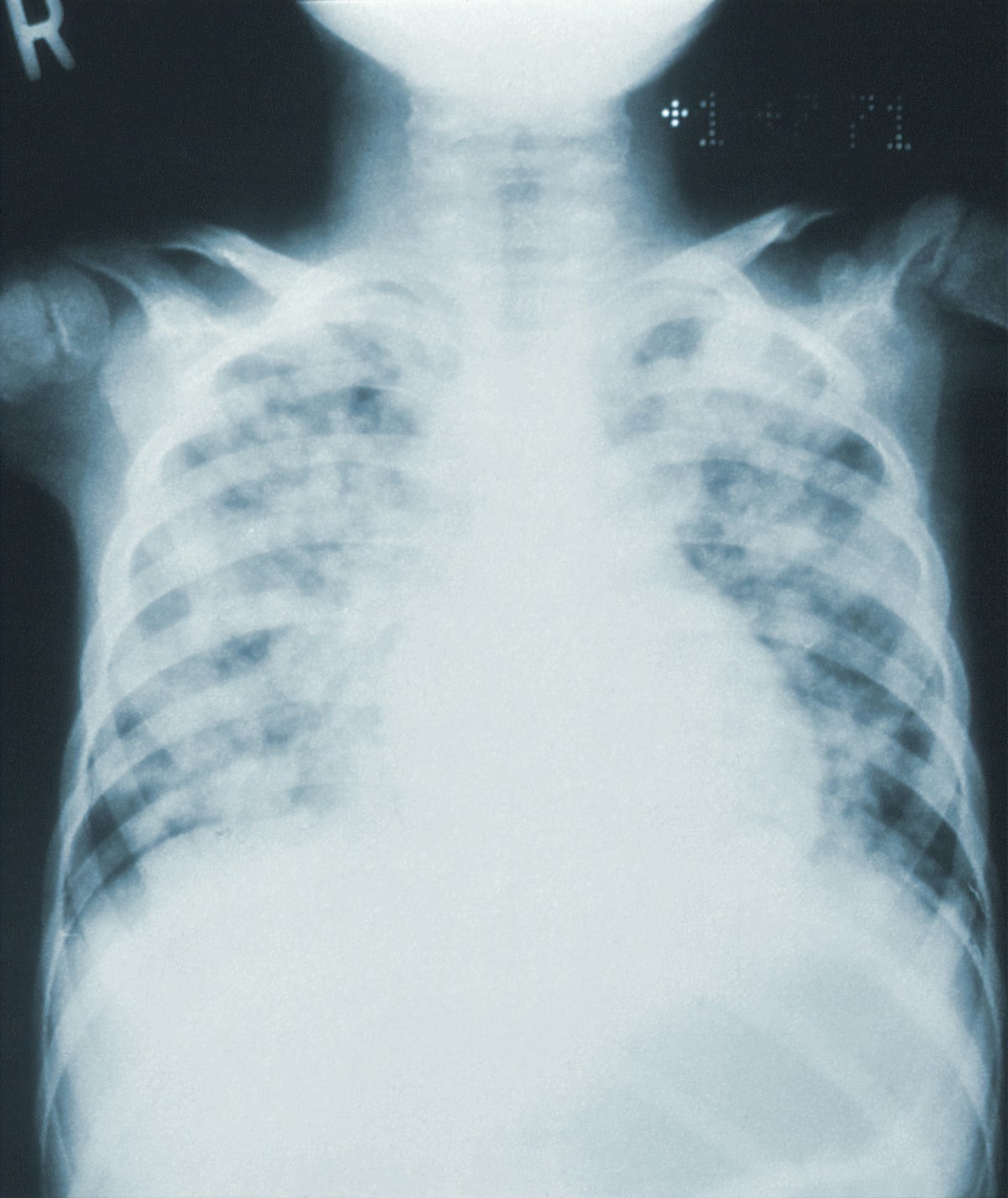
Imaging plays a central role in confirming a diagnosis and determining the extent of injury. X-rays can identify bone spurs or structural changes that may be contributing to shoulder pain. MRI scans provide detailed views of the soft tissues, making it possible to detect tears or areas of inflammation with precision. Ultrasound offers real-time, dynamic imaging of the rotator cuff in motion, which can be particularly useful for assessing tendon integrity and guiding treatment decisions.
Persistent shoulder pain, progressive weakness, and restricted movement are clear signals that a professional evaluation is needed. Early assessment helps prevent further structural damage and narrows the treatment window before conservative options become less effective. If symptoms do not improve after a period of rest and basic pain management, a referral to a shoulder specialist is advisable rather than continuing to self-manage.
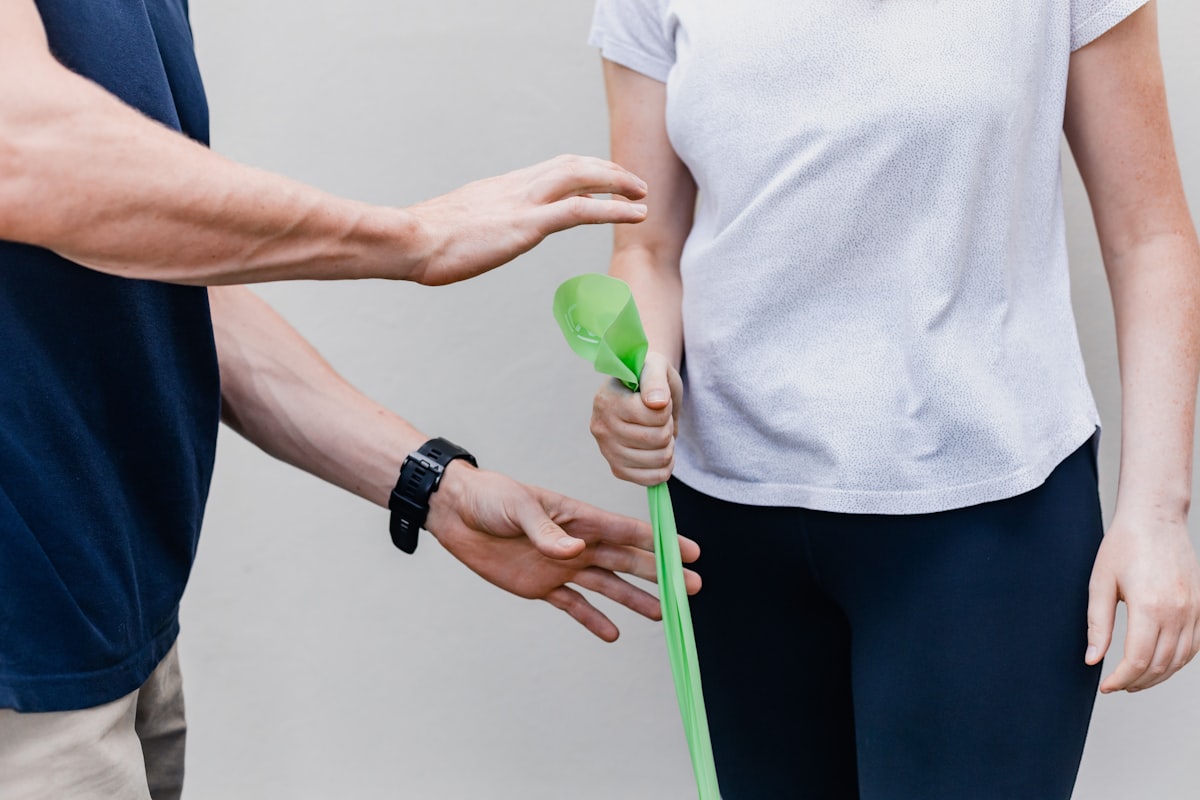
Non-surgical management is generally the starting point for a hurt rotator cuff unless there is a large acute tear in which case surgery is often recommended. Physical therapy forms the backbone of conservative treatment, with exercises designed to restore strength and mobility while reducing pain. Common rehabilitation exercises include pendulum swings, wall climbs, and resistance band rotations, each targeting different aspects of shoulder function. Applying ice packs and taking anti-inflammatory medications such as ibuprofen can ease acute discomfort. For more persistent or severe inflammation, corticosteroid injections offer targeted relief and can support engagement with rehabilitation.
Surgery is considered when symptoms are severe or fail to respond to conservative treatment over a reasonable period. The primary aim of surgical repair is to reattach the torn tendon to the bone, restoring both strength and function. Arthroscopic surgery, performed through small incisions using a camera and miniature instruments, is less invasive than open surgery and generally associated with shorter recovery times and less postoperative discomfort. The decision to operate should always involve a detailed discussion with a specialist, taking into account the nature of the tear, the patient's age, activity level, and overall health.
Rehabilitation is a defining factor in how well and how quickly patients recover from rotator cuff injuries. A structured programme, tailored to the individual's injury severity and physical condition, progressively rebuilds shoulder strength and restores range of motion. Recovery timelines vary considerably, from a few weeks for minor injuries to several months following surgery or in cases of complete tearing. Consistency with prescribed exercises and a cautious return to overhead activities are both important for avoiding setbacks during the recovery period.
Shoulder strengthening is one of the most effective strategies for preventing rotator cuff injuries. Exercises such as shoulder presses, resistance band rotations, and controlled arm elevation routines build the muscular support around the joint, reducing the load placed on the tendons during activity. Proper technique matters as much as the exercises themselves, since poor form under load can create the very strain these movements are intended to prevent.
Supporting shoulder health through lifestyle choices is often overlooked but genuinely worthwhile. Maintaining a healthy body weight reduces the mechanical load on shoulder joints during both exercise and daily activity. Regular stretching of the shoulder and surrounding muscles preserves flexibility and helps offset the stiffness that can develop from sedentary habits or intense training. Learning correct technique for both sporting activities and occupational tasks, such as safe lifting mechanics, can significantly lower the likelihood of sustaining a rotator cuff injury over the long term.
How do I know if I have a torn rotator cuff?
A torn rotator cuff often presents with shoulder pain, weakness, and difficulty lifting the arm. A medical evaluation is recommended for a proper diagnosis.
What can you do to heal a rotator cuff injury?
Healing a rotator cuff injury may involve rest, physical therapy, and in some cases, surgery. Consult a specialist for a tailored treatment plan.
Can you move your arm with a torn rotator cuff?
Yes you can if the tear is small in which case you may only experience minor weakness.
Are rotator cuff injuries permanent?
Not necessarily. Many rotator cuff injuries can heal with appropriate treatment, though some may require surgical intervention for full recovery.
What are the symptoms of a repetitive strain injury in the shoulder?
Symptoms include persistent shoulder pain, stiffness, and reduced range of motion. Early intervention can prevent worsening of the condition.
If you're experiencing shoulder pain, schedule a consultation with Mr. Toby Baring to explore your treatment options.