
Shadow Image

Understanding Shoulder Replacement Surgery

Explore shoulder replacement surgery with expert insights from Mr. Toby Baring. Learn about recovery, benefits, and what to expect.


Category:

Date:

June 16, 2026

Mr Toby Baring

Consultant Trauma and Orthopaedic Surgeon specializing in advanced shoulder and elbow treatments, sports injuries, and joint replacements.

Shoulder replacement surgery offers a solution for individuals suffering from severe shoulder pain and dysfunction, often as a result of advanced arthritis or significant injury. This surgical intervention involves replacing damaged sections of the shoulder joint with artificial components, alleviating pain and restoring mobility. As a London shoulder and elbow surgeon, Mr. Toby Baring specialises in this surgery, providing expert care for those with upper limb conditions.

What is Shoulder Replacement?

Overview of the Procedure

Shoulder replacement surgery, medically referred to as shoulder arthroplasty, involves replacing parts of the shoulder joint with prosthetic implants. This procedure is designed to relieve pain and restore function by substituting the damaged humeral head (the ball) and the glenoid (the socket) with metal and plastic components. It is a well-established treatment for conditions such as osteoarthritis, advance rotator cuff damage, rheumatoid arthritis, and traumatic shoulder injuries. According to the American Academy of Orthopaedic Surgeons, approximately 53,000 shoulder replacement surgeries are performed each year in the United States alone, reflecting its widespread adoption and success.

shoulder replacement — Overview of the Procedure

Types of Shoulder Replacement

There are several types of shoulder replacement surgeries, each tailored to specific conditions:

  • Total Shoulder Replacement (Anatomic): This procedure involves replacing both the ball and socket with prosthetic components. It is often recommended for patients with intact rotator cuff tendons, ensuring the shoulder's biomechanics are preserved. This option is commonly chosen for those suffering from osteoarthritis or rheumatoid arthritis with a well-functioning rotator cuff.
  • Reverse Shoulder Replacement: Used when the rotator cuff is severely damaged or non-functional, this procedure reverses the ball and socket positions, allowing the deltoid muscle to power movement instead of the rotator cuff. It is particularly beneficial for individuals with massive rotator cuff tears, offering improved mobility and pain relief.
  • Partial Shoulder Replacement (Hemiarthroplasty): Only the ball of the joint is replaced, typically when the humeral head alone is damaged. This approach can be suitable for younger patients or those who have suffered a fracture primarily affecting the humeral head.

Who Needs Shoulder Replacement?

Shoulder replacement is generally advised for individuals experiencing severe shoulder pain that significantly limits daily activities and does not respond to conservative treatments such as medication, physical therapy, or corticosteroid injections. Candidates often include those with advanced osteoarthritis, rheumatoid arthritis, post-traumatic arthritis, or avascular necrosis. The decision to proceed with surgery is typically made after thorough consultation with a specialist, weighing the potential benefits against the risks.

Benefits of Shoulder Replacement

Improved Mobility

One of the primary benefits of shoulder replacement surgery is a significant improvement in joint mobility. Patients often regain a wider range of motion, enabling them to perform daily tasks with greater ease, such as reaching overhead or lifting objects. A study published in the Journal of Bone and Joint Surgery found that over 90% of patients reported improved shoulder function and mobility following surgery, underscoring the procedure's effectiveness.

Pain Relief

Chronic pain relief is a defining outcome of shoulder replacement. Removing damaged joint surfaces and introducing smooth, artificial components significantly reduces or eliminates the pain caused by bone-on-bone friction. This relief allows patients to take part in activities they previously avoided due to discomfort, improving their overall quality of life. For many, it marks the first sustained period of pain-free movement in years.

Enhanced Quality of Life

With increased mobility and reduced pain, patients frequently experience a marked improvement in their quality of life. Activities that were once difficult or impossible become manageable, contributing to greater well-being and independence. Many patients report returning to sports, hobbies, and other physical activities they had abandoned before surgery.

The Shoulder Replacement Procedure

Pre-Surgery Preparations

Preparation for shoulder replacement surgery involves several steps to ensure optimal outcomes:
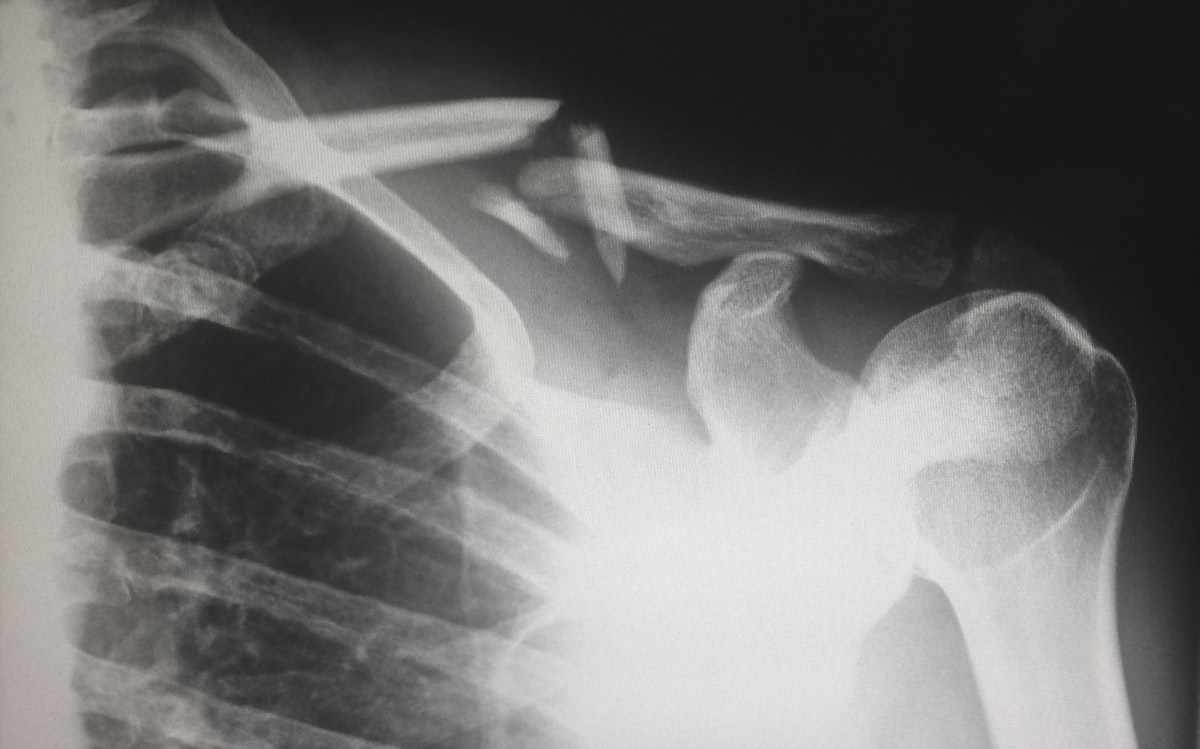
  • Medical Evaluation: A thorough assessment by Mr. Toby Baring, including a review of medical history and imaging studies such as X-rays, CT or MRI scans, helps in planning the surgery precisely.
  • Preoperative Instructions: Patients receive detailed guidance on medications to avoid, dietary restrictions, and post-operative arrangements. This may include stopping certain medications that could increase bleeding risk, as well as arranging post-surgery transportation and care.
  • Physical Therapy: Pre-surgery exercises may be recommended to strengthen the shoulder and support recovery. These focus on maintaining range of motion and building strength in the surrounding muscles.
shoulder replacement — Pre-Surgery Preparations

Surgical Steps

Shoulder replacement surgery typically consists of the following steps:

  • Anaesthesia Administration: General anaesthesia or a regional nerve block is administered to ensure patient comfort throughout the procedure.
  • Incision and Access: A surgical incision at the front of the joint is made to expose the shoulder joint, allowing the surgeon to assess and address the damaged areas directly.
  • Removal of Damaged Areas: The surgeon removes the damaged bone and cartilage, preparing the area for the prosthetic components.
  • Implant Insertion: The prosthetic components, often custom-fitted, are securely attached to the bone. This step determines the stability and long-term functionality of the new joint.
  • Closure: The incision is closed carefully, and the shoulder is bandaged to protect the surgical site and support healing.

The procedure generally lasts about two hours, depending on the complexity of the case and the specific surgical approach used.

Post-Surgery Care

Post-operative care plays a significant role in a successful recovery:
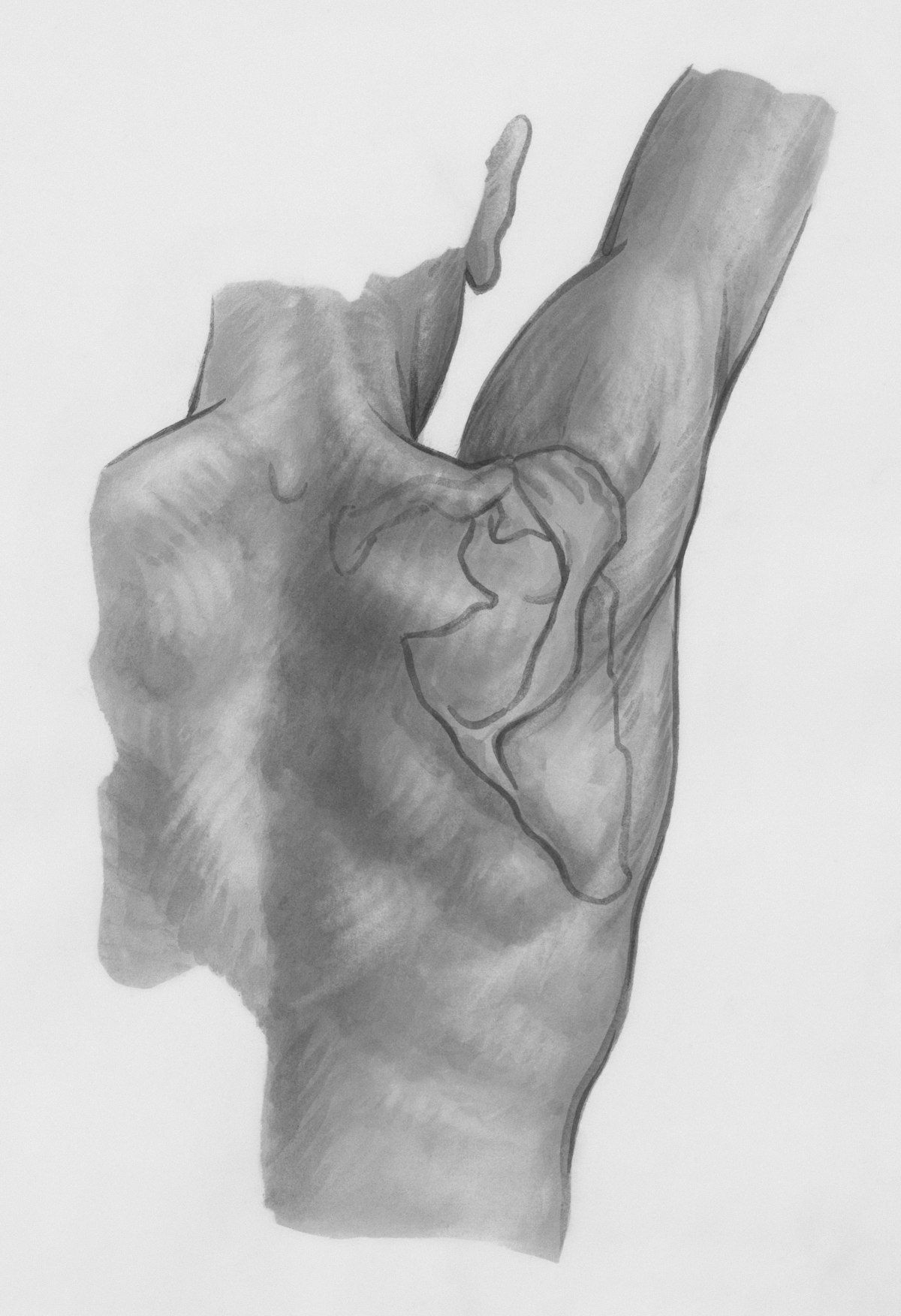
  • Hospital Stay: Patients typically remain in hospital for one to two days, during which their initial recovery is closely monitored.
  • Pain Management: A structured pain management plan is implemented, often combining medications and ice therapy to manage post-surgical discomfort effectively.
  • Initial Rehabilitation: Gentle physical therapy begins soon after surgery to promote healing and maintain mobility. Early intervention helps prevent stiffness and sets the foundation for a smooth recovery.
shoulder replacement — Post-Surgery Care

Recovery Process

Timeline for Recovery

Recovery from shoulder replacement is a gradual process:

  • First Few Weeks: The initial focus is on pain management and gentle exercises to maintain range of motion without placing strain on the new joint.
  • 6 Weeks: Patients typically see increased range of motion and progress to more intensive physiotherapy, targeting muscle strength and improved functionality.
  • 3 to 6 Months: Most patients experience meaningful gains in strength and function, enabling a return to many normal activities.
  • Full Recovery: Full recovery generally occurs within 6 to 12 months, with many patients achieving near-normal function and comfort in daily life.

Physical Therapy and Exercises

Physical therapy is central to a successful outcome:

  • Phase 1: Passive exercises are introduced to prevent stiffness while protecting the new joint. A therapist typically assists with these movements to ensure correct technique.
  • Phase 2: Active exercises are gradually introduced to strengthen the muscles around the shoulder, building stability and control.
  • Phase 3: Functional exercises are incorporated to restore full range of motion and strength, preparing patients to return to their desired activities.

Tips for a Smooth Recovery

  • Follow Physician's Instructions: Adhering to post-operative guidelines helps avoid complications and supports an optimal recovery trajectory.
  • Regular Physical Therapy: Consistent therapy sessions are integral to regaining full function and should be treated as a non-negotiable part of the recovery plan.
  • Lifestyle Modifications: Patients are advised to avoid high-impact activities and heavy lifting to protect the new joint and extend the working life of the prosthetic components.

Potential Risks and Downsides

Common Complications

While shoulder replacement is generally safe, potential complications include:

  • Infection: The risk is reduced through antibiotic prophylaxis and sterile surgical technique, though it remains a concern that warrants ongoing vigilance.
  • Prosthetic Loosening: Although uncommon, loosening can occur over time and may require revision surgery to address.
  • Nerve Injury: Rare in experienced hands, nerve irritation can temporarily affect shoulder movement and typically resolves with time and targeted therapy.

Long-term Considerations

Patients should be aware that shoulder implants typically last between 10 and 20 years. Long-term success depends on several factors, including implant type, activity level, and adherence to post-surgical guidance. Regular follow-up appointments allow the surgical team to monitor implant condition and identify any concerns before they become significant problems.

Managing Expectations

Shoulder replacement substantially reduces pain and improves mobility, but it may not restore full strength or range of motion for every patient. Regular follow-ups with Mr. Toby Baring help track progress and address any concerns as they arise, ensuring patients maintain realistic expectations and remain satisfied with their outcomes.

Frequently Asked Questions

How long does it take to recover from shoulder replacement?

Recovery from shoulder replacement typically takes several months, with most patients regaining full function within 6 to 12 months.

What is the downside of a shoulder replacement?

Potential downsides include surgical risks, limited range of motion, and the possibility of needing revision surgery in the future.

Is shoulder replacement a major surgery?

Yes, shoulder replacement is considered a major surgery and requires careful planning and recovery.

What can you never do after shoulder replacement?

Patients are generally advised to avoid heavy lifting and high-impact activities to protect the new joint, although if you are an active person many sports are possible, including racquet sports and skiing.

Schedule a consultation with Mr. Toby Baring today to discuss your shoulder replacement options and start your journey to recovery.

Book an appointment

More articles

View blog
Right arrow iconRight arrow icon