
Most frozen shoulders never need an operation. For the ones that stay stiff and painful, a keyhole capsular release frees the tight capsule. Here is when it is considered and what recovery involves.


If you have a frozen shoulder that has not improved despite an injection and months of physiotherapy, keyhole capsular release is the next step your surgeon is likely to discuss. It is a day-case operation that removes the tight, thickened capsule restricting the joint, and it is done arthroscopically through two or three small incisions.
The short answer to the question most people arrive with: no, you probably do not need it. Most frozen shoulders settle with time, an injection and physiotherapy. Surgery is for the shoulders that do not, and for the people who cannot wait out a condition that can drag on for years.
This guide covers how the decision is made, what the operation actually involves, and what the weeks afterwards look like, because with this particular operation the weeks afterwards are more important than usual.
The shoulder joint sits inside a capsule, a sleeve of soft tissue that is normally loose and roomy enough to let the arm move in every direction. In frozen shoulder, known medically as adhesive capsulitis, that capsule becomes inflamed, thickened and contracted. It shrinks around the joint like a jumper washed too hot.
That is why a frozen shoulder does not just hurt, it locks. Someone else lifting your arm for you cannot get it any further than you can, which is the feature that separates it from most rotator cuff problems. If you are not sure which you have, our most-read guide covers exactly that: frozen shoulder vs rotator cuff: how to tell them apart.
It typically runs through three overlapping phases. A painful freezing phase, where the ache is constant and worst at night. A stiff frozen phase, where the pain settles somewhat but the movement does not come back. Then a thawing phase, where range gradually returns. Left alone the whole cycle can take years, and not everyone gets all their movement back at the end of it. There is more on the timeline in how long does a frozen shoulder last?
Capsular release comes late in the queue, and deliberately so.
Injections. A steroid injection into the joint, given during the painful phase, often settles the inflammation enough to break the cycle and let physiotherapy work. Timing matters: injections tend to help most while the shoulder is still painful rather than purely stiff.
Hydrodilatation. A larger volume of fluid is injected under image guidance to stretch the capsule from the inside, usually along with the steroid. For some shoulders this is enough on its own.
Physiotherapy. Consistent, well-directed stretching, adjusted to the phase the shoulder is in. Pushing hard through a shoulder in the angry freezing phase tends to make it angrier, which is why physiotherapy alone sometimes disappoints. Our guide to frozen shoulder exercises covers the movements that usually help.
Time. Unsatisfying as it is, a proportion of frozen shoulders resolve with patience.
You can read more about how we approach the condition on the frozen shoulder page, and frozen shoulder surgery: when it's needed gives the broader view of the surgical options.
The conversation usually turns to surgery when three things are true at once:
There are also situations where surgery comes up sooner. Frozen shoulders associated with diabetes tend to be stiffer, more stubborn and less responsive to injections. Shoulders that stiffen after an injury or an operation, sometimes called secondary frozen shoulder, can also behave differently from the ones that arrive out of nowhere.
If you are not sure whether you have reached the end of what injections and physiotherapy can do for your shoulder, that is a good question to bring to a consultation. It is an assessment, not a commitment to surgery. You can book an appointment with Mr Baring here.
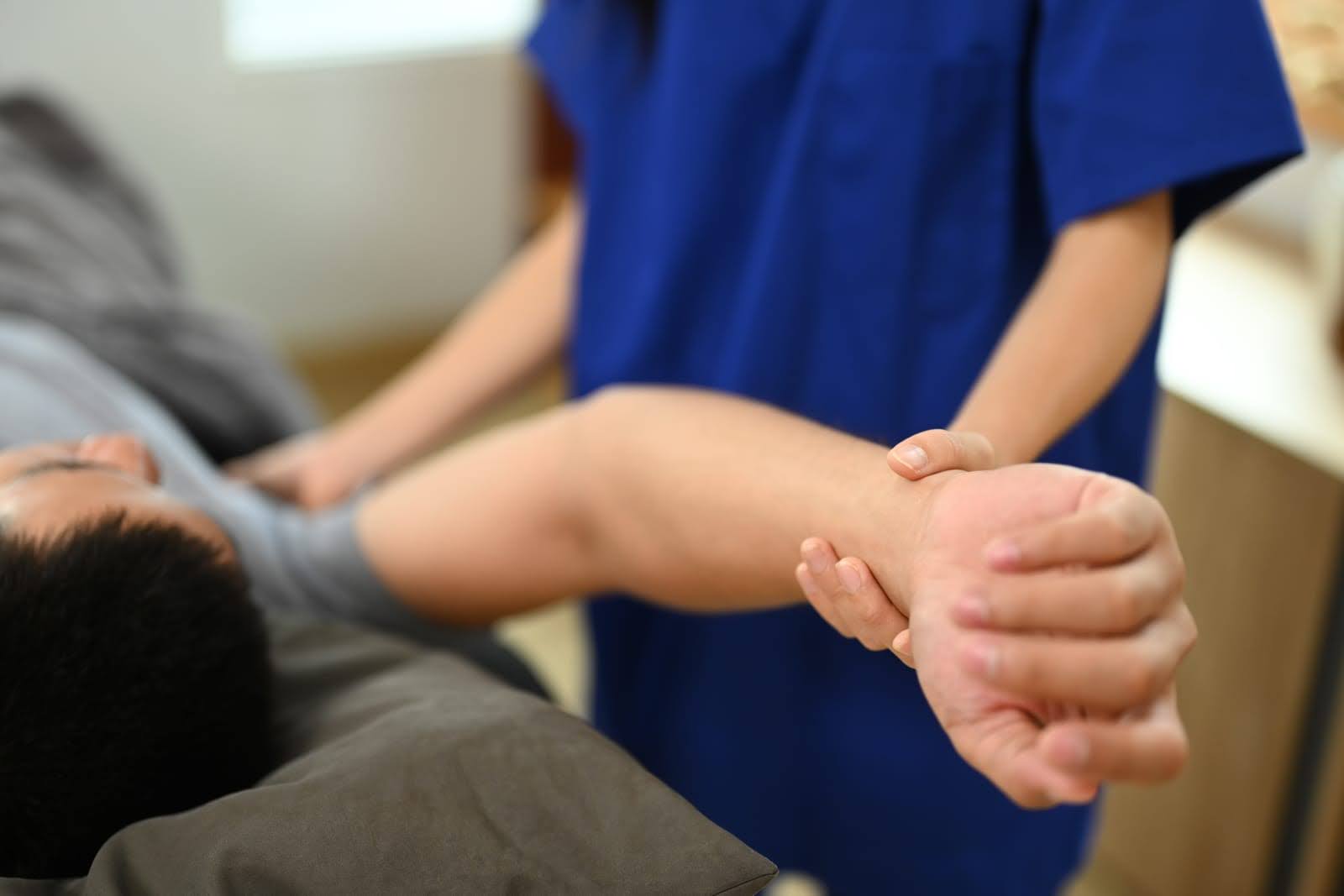
Capsular release is done arthroscopically, as a day case, under a general anaesthetic with a nerve block that numbs the shoulder and arm. There is a fuller clinical description on our capsular release for frozen shoulder page, and if keyhole surgery is new to you, keyhole vs open shoulder surgery explains the technique.
In outline:
Some surgeons perform a manipulation under anaesthetic on its own, where the shoulder is moved firmly to break the tight tissue without any incisions. It has a place, particularly in early or milder cases, but the release happens where the tissue happens to give way rather than where the surgeon chooses. An arthroscopic release is the more controlled version of the same idea.
The operation itself usually takes well under an hour, and you go home the same day with the arm in a sling for comfort but movement will be encouraged and physiotherapy should start immediately.
Most articles about this procedure describe the surgery and stop. The part that actually determines your result happens in the two weeks afterwards.
A capsular release does not cure frozen shoulder. It removes the mechanical block. The inflamed tissue that caused the problem is still inflamed on the day you go home, and it will try to tighten again. The window where the shoulder moves freely and painlessly, courtesy of the nerve block and the newly released capsule, is the window in which you and your physiotherapist establish the range you are going to keep.
Which means:
Patients who understand this before the operation tend to do noticeably better than those who discover it afterwards. It is the opposite of a rotator cuff repair, where the job is to protect and wait. Here the job is to move.
Two more honest points. Frozen shoulder can return, and it affects the other shoulder in a proportion of people at some stage. And while most patients gain range and comfort from a release, results vary, and a shoulder that has been stiff for a very long time may not recover every last degree.
In my experience:
What do you tell patients about the first two weeks after a capsular release, and how much difference does it make?
I spend more time in clinic on the fortnight after this operation than on the operation itself, because that is where the result is won or lost. On the table I can restore a full range of movement in a shoulder that has barely moved for a year. Whether you still have that range in six weeks depends almost entirely on what happens in the days immediately afterwards. I want people moving the shoulder the same day, taking the pain relief properly so they can, and seeing a physiotherapist within a day or two. The patients who treat those two weeks as a job to be done are the ones who come back at three months having largely forgotten about it.
Your own plan will be tailored by Mr Baring and your physiotherapist, but a typical recovery runs like this. There is a fuller general guide in recovery after keyhole shoulder surgery.
Days 0 to 3. Sling for comfort. The nerve block wears off after a day or so. Regular pain relief, and gentle movement started straight away, usually with a physiotherapy session within the first day or two.
Week 1 to 2. The intensive phase. Several short sessions of movement a day, working through the range achieved in theatre. This period is uncomfortable and it is meant to be busy. Sleep is often the hardest part.
Weeks 2 to 6. Pain settles steadily and movement becomes easier. Physiotherapy continues, with strengthening introduced as comfort allows. Desk-based work is usually manageable within the first week or two, driving once you can control the wheel confidently.
Weeks 6 to 12. Range is largely established and the focus moves to strength and normal use. Most people are back to full daily activity in this window.
Months 3 to 12. Continued improvement in comfort and strength. Occasional aching after heavy use is common for a while and usually settles.
Capsular release has a good safety record but is not risk-free. The risks include infection, bleeding, temporary numbness or weakness from the nerve block, anaesthetic complications, and injury to the nerves that run close to the front of the joint, which is uncommon but is the reason the release is done under direct vision. There is also a specific risk of the shoulder stiffening again, which is why the early physiotherapy matters so much, and a small risk that a fragile bone is injured during manipulation.
Mr Baring will go through the risks that apply to you before you decide anything.
If your shoulder has been stiff for months and you are not sure whether you have reached the end of what injections and physiotherapy can do, that is a good question to bring to a consultation. It is an assessment, not a commitment to surgery, and a fair number of the frozen shoulders we see are treated with a well-timed injection and a better-directed physiotherapy plan.
Mr Baring sees patients in London, usually within days. Consultations are covered by all major private medical insurers, including Bupa, AXA Health, Aviva and Vitality, and self-paying patients are welcome.
Book an appointment or call 07561 812 682.
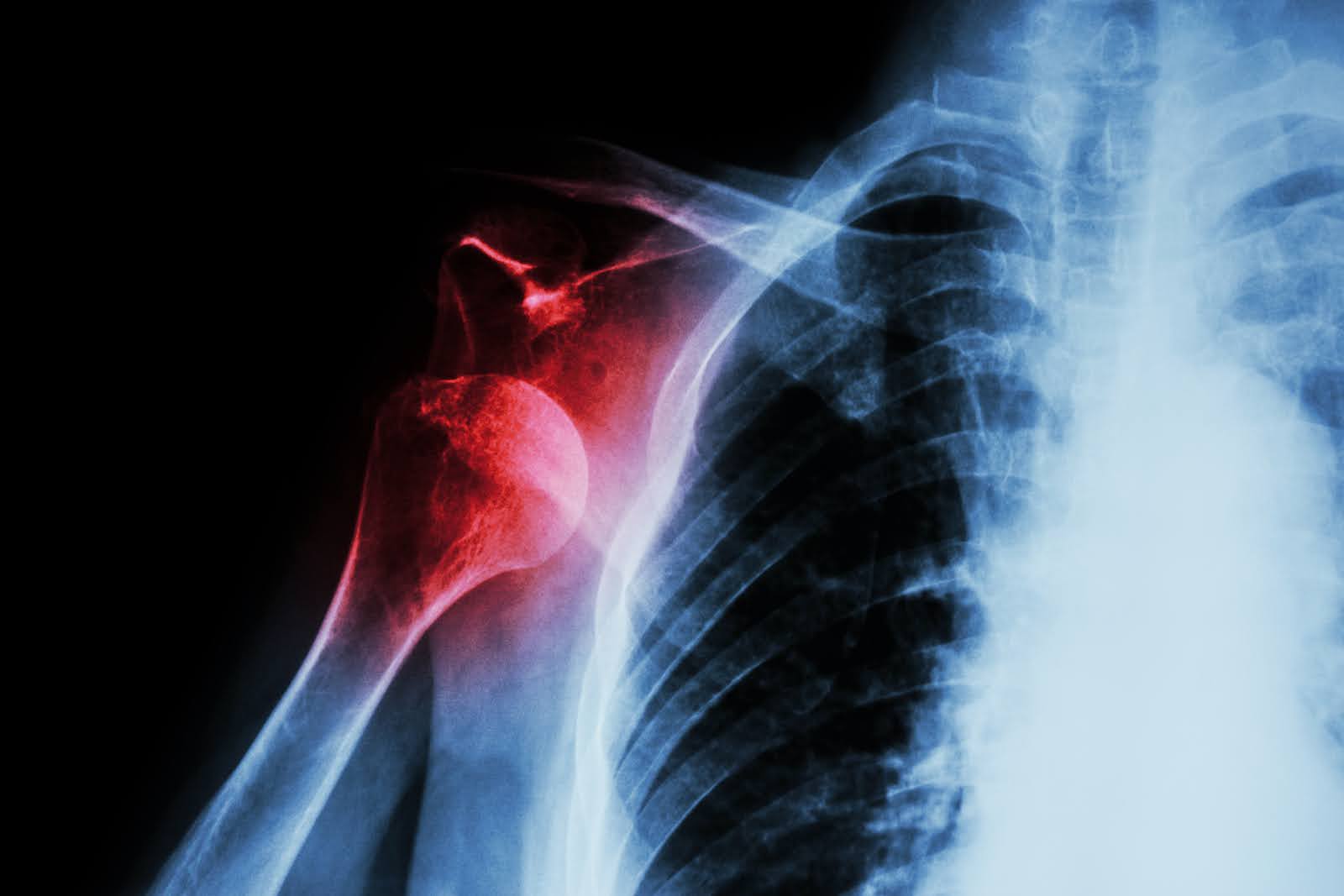
Do I need surgery for a frozen shoulder? Most people do not. Injections, hydrodilatation, physiotherapy and time resolve the majority. Capsular release is considered when the shoulder stays stiff and restricting after those have been given a proper go, or when the restriction is affecting your life enough that waiting out the natural course is not acceptable.
How long does a capsular release take to recover from? Movement work starts the same day and the intensive phase lasts about two weeks. Most people are back to normal daily activity within six to twelve weeks, with comfort and strength continuing to improve for months afterwards.
Do I wear a sling after capsular release? No. A sling would let the capsule tighten again. You may be given one for comfort on the journey home, but the aim from day one is movement.
Is a manipulation under anaesthetic the same as a capsular release? No. A manipulation moves the shoulder firmly under anaesthetic to break the tight tissue, with no incisions. An arthroscopic release divides the capsule under direct vision, so the surgeon controls where the release happens. Both have a place, and Mr Baring will explain which suits your shoulder.
Can a frozen shoulder come back after surgery? It can. Stiffness can recur, particularly if the early physiotherapy is missed, and frozen shoulder affects the other shoulder in a proportion of people at some point. This is a condition that is managed rather than switched off.
Does diabetes make a difference? Yes. Frozen shoulders in people with diabetes tend to be stiffer, more persistent and less responsive to injections. It does not stop the operation working, but it does shape the expectations and the plan. It is essential that the diabetes is well controlled during the period of a frozen shoulder to make treatment fully effective.
Mr Toby Baring is a consultant orthopaedic surgeon specialising in shoulder and elbow surgery, with a particular interest in arthroscopic rotator cuff repair, shoulder instability surgery and shoulder replacement.Read more about Mr Baring or book an appointment.